”Hvor jeg dog elskede brokvarterenes massivitet; det var intet mindre end hypnotiserende at stirre ned ad lange dramatiske kløfter af ubrudte karréer i bevidstheden om at there is more to the picture than meets the eye, for bag facaderne strakte yderligere et labyrintisk netværk af baggårde, som forlenede København med dybde og dragende hemmelighedsfuldhed.” – Søren Ulrik Thomsen, ”København Con Amore”
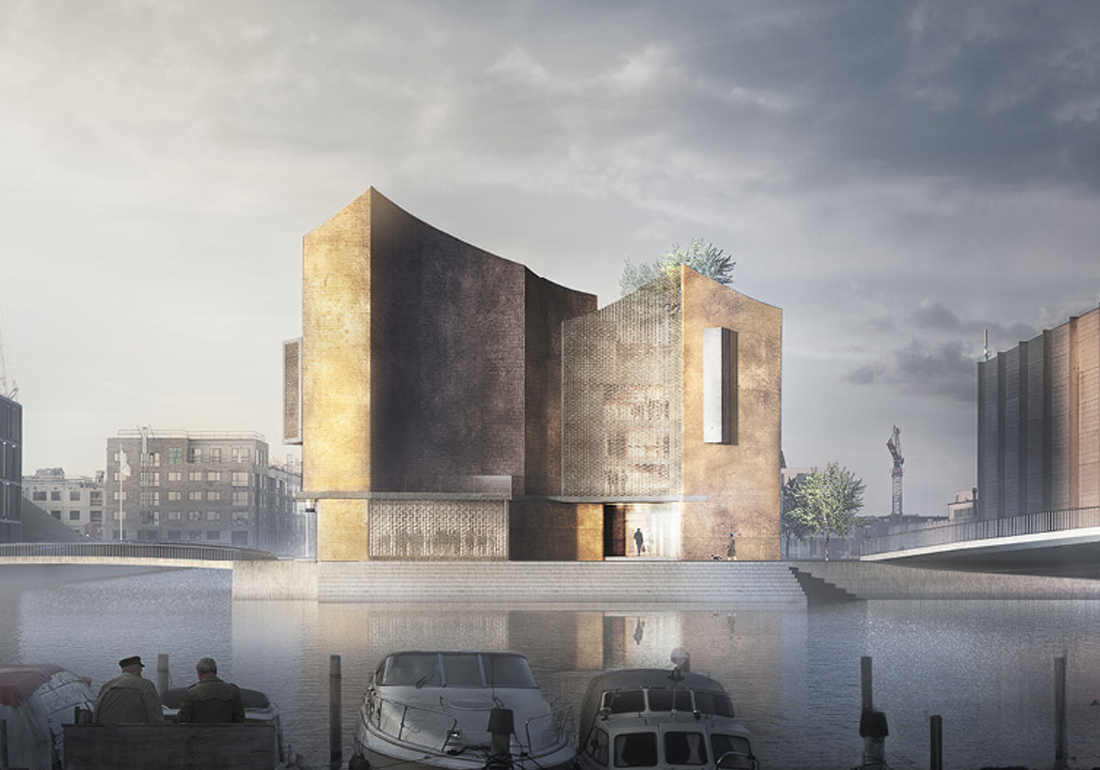
Sydhavnen er et særligt sted. Stedet er nærmest et grænseland mellem det nye København, hvor omstilling, forandring og underholdning gennemsyrer huse og byrum.
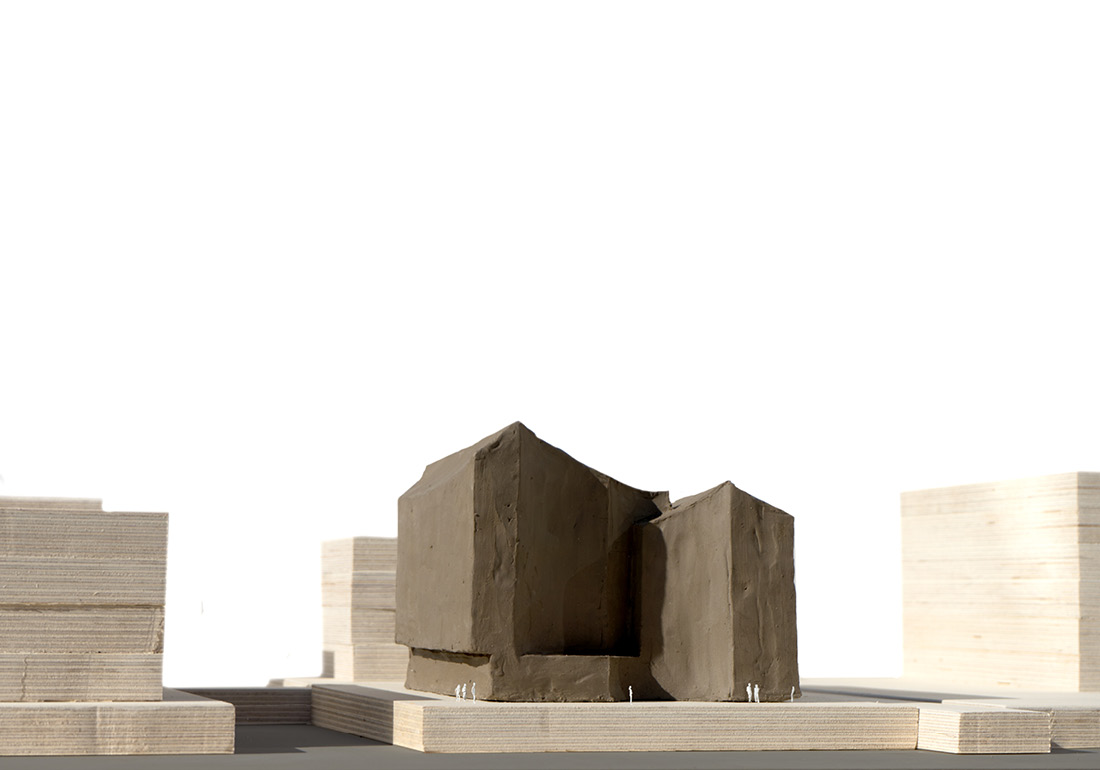
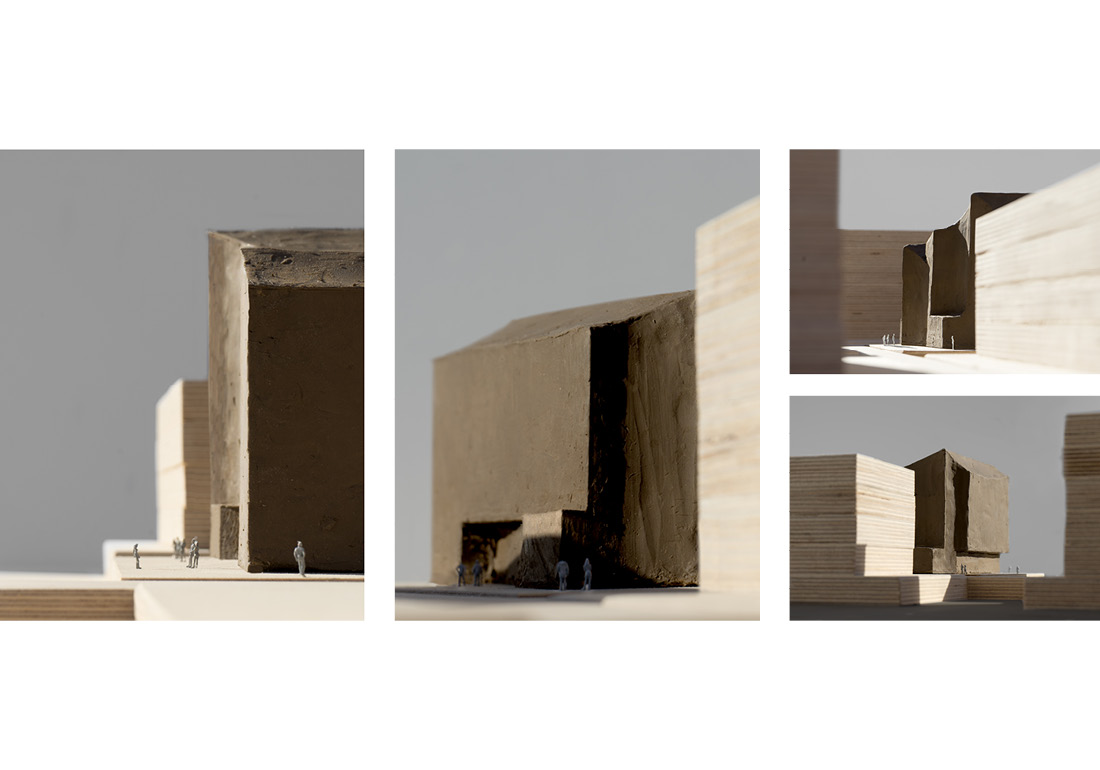
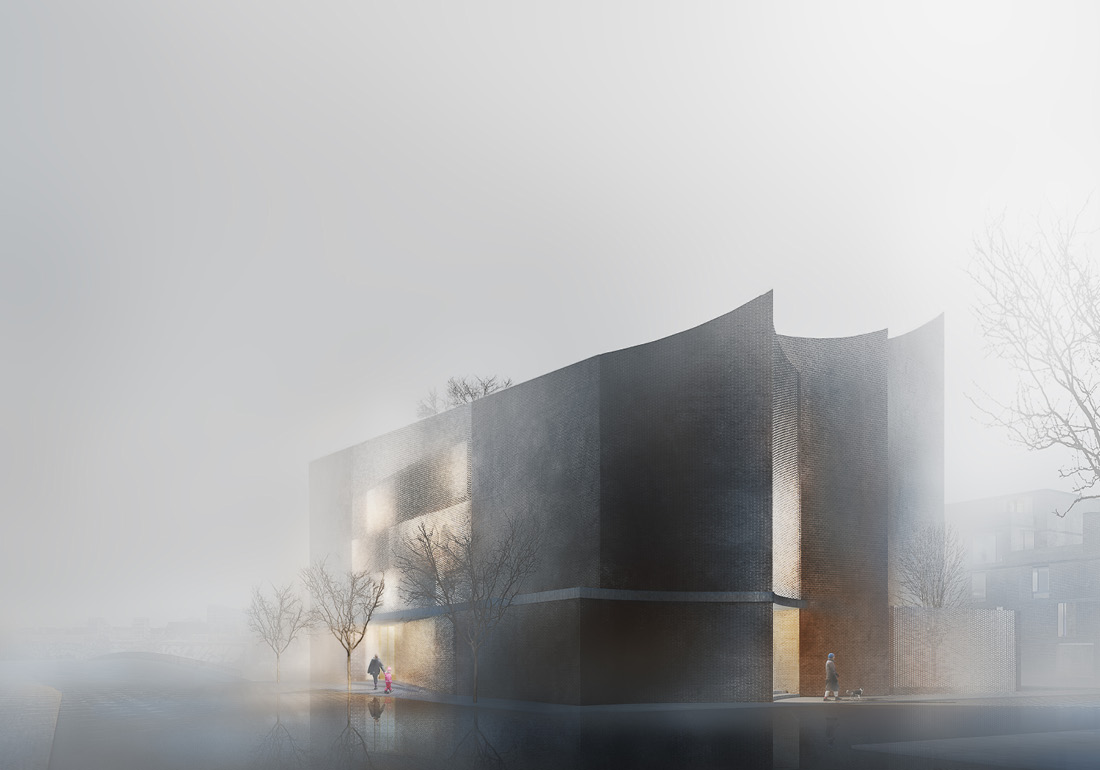
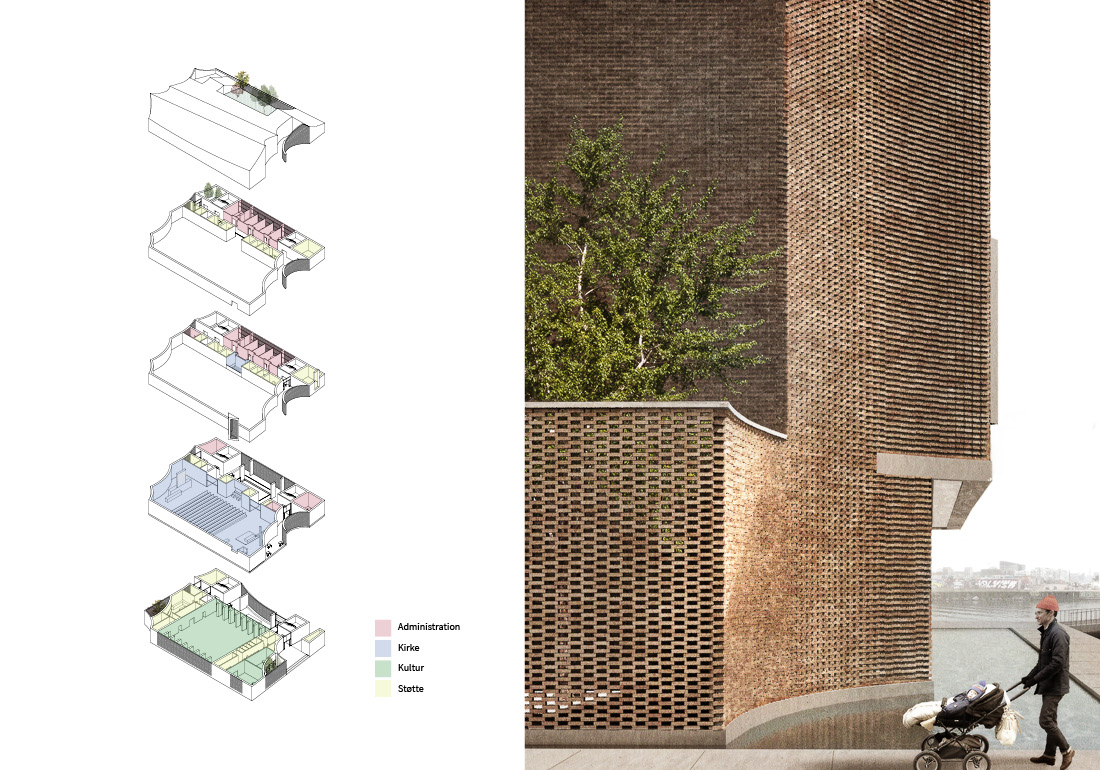
Den industrielle identitet i Teglholmen med dens forhistorie af teglværker, lerudgravning og udskibning er stærk. Kirken tager fat i stedets materiale og forankrer det som et robust, synligt og dragende samlingspunkt, der skal formidle fortid og historie samtidig med at den er et udtryk for sin egen tid.
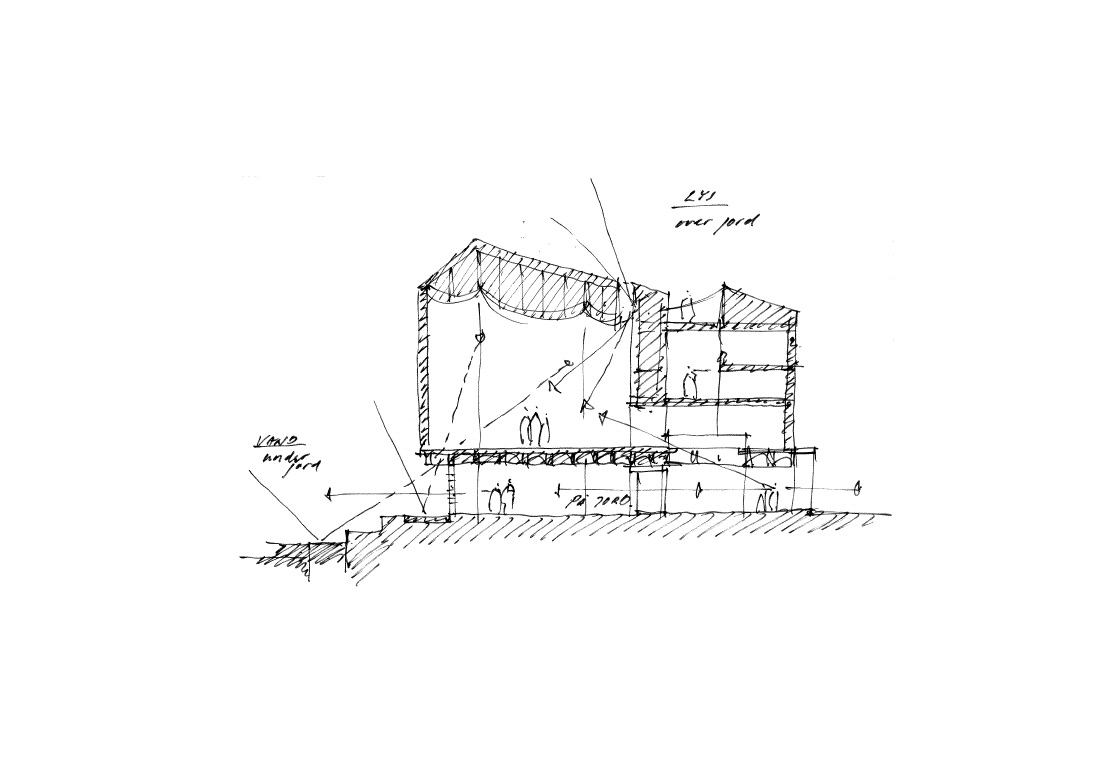
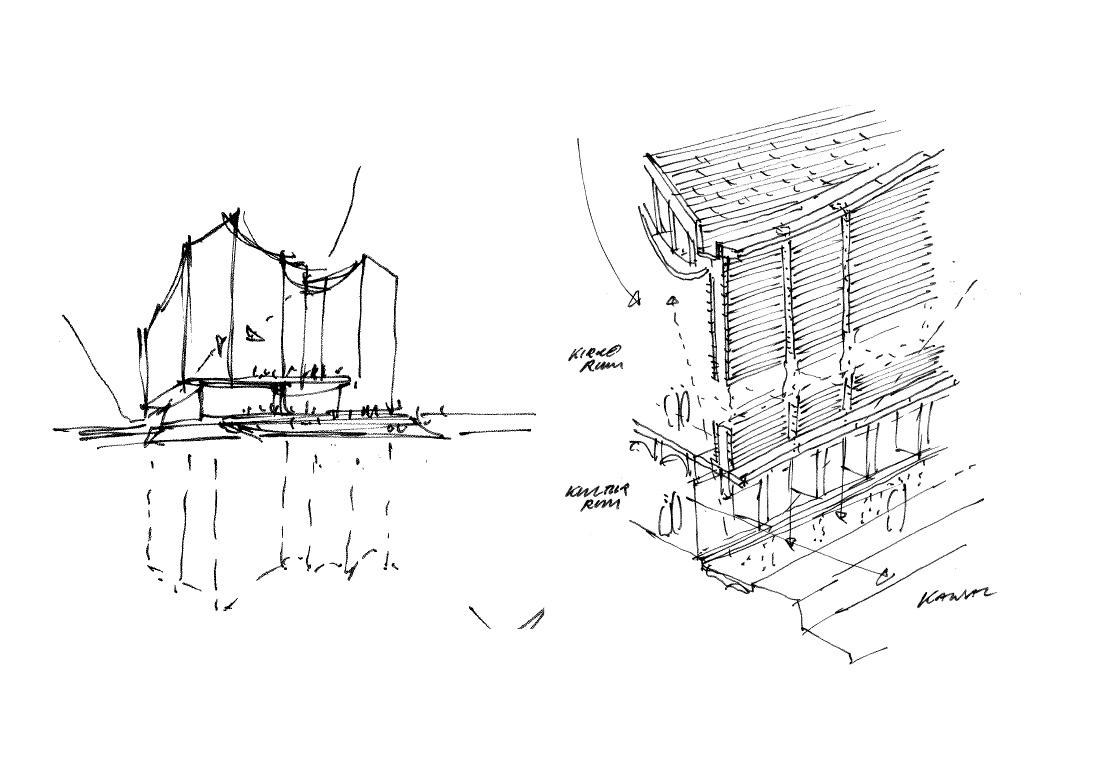
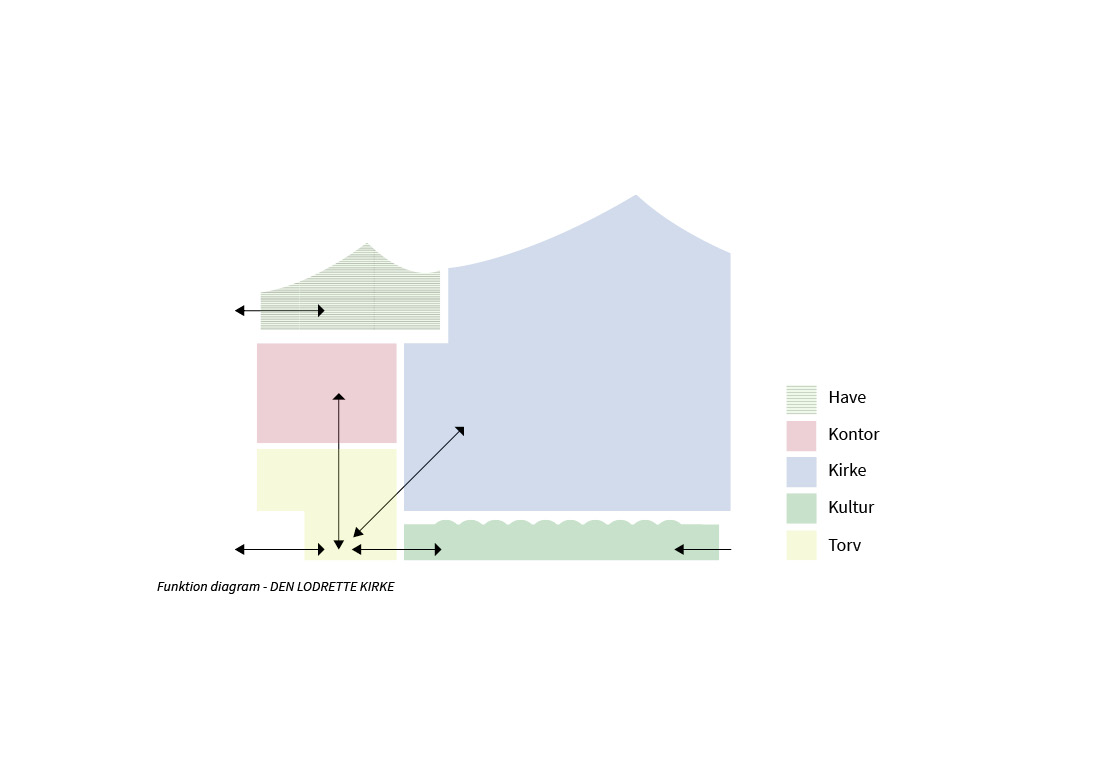
Kirkens rum er udlagt omkring kirketraditionens verdensakse, der forbinder de 3 kosmiske verdener; over, under og på jorden.
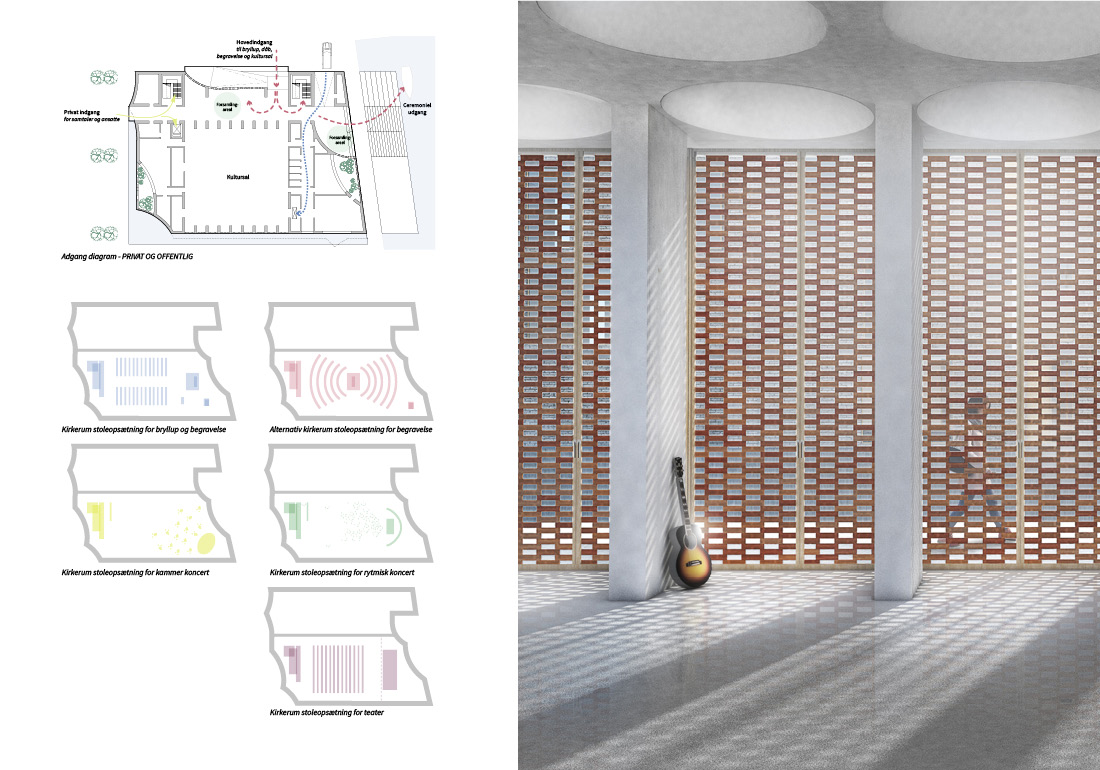
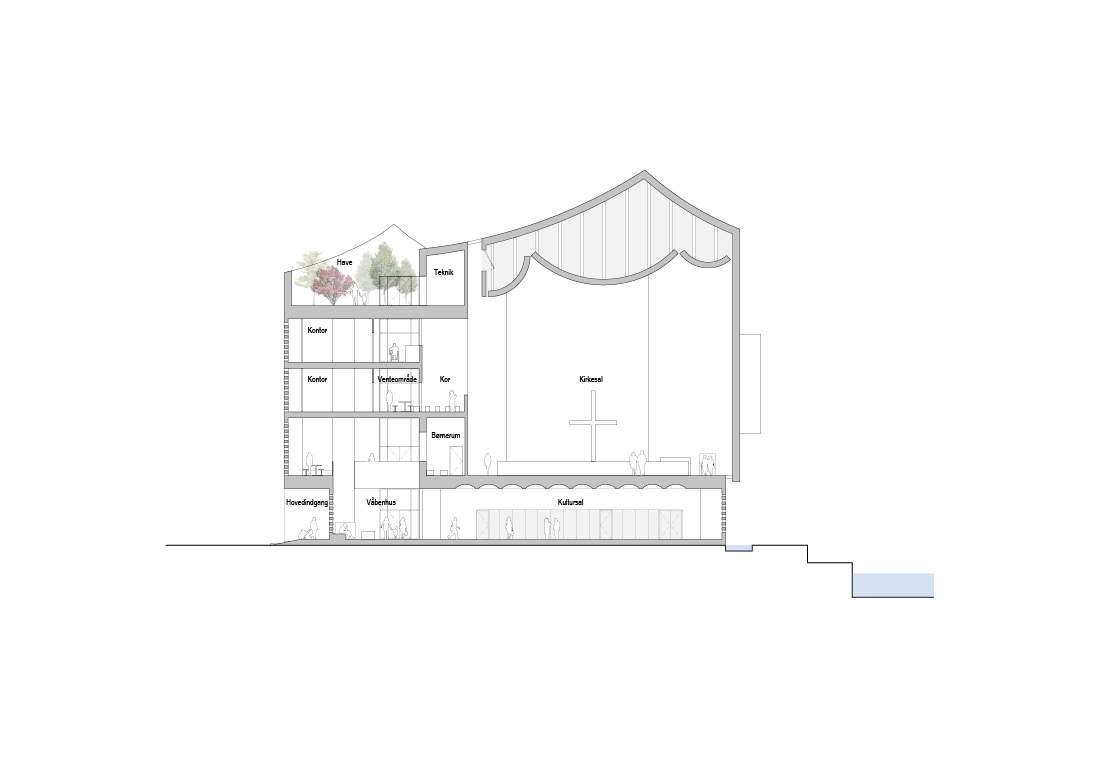
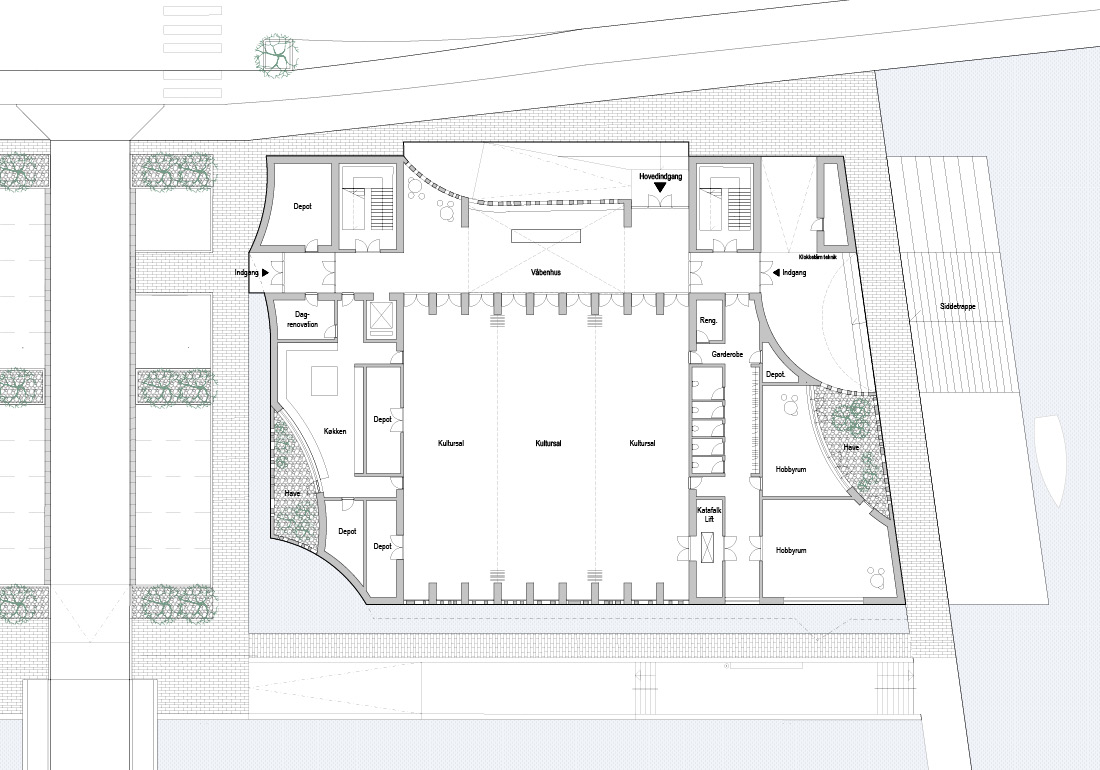
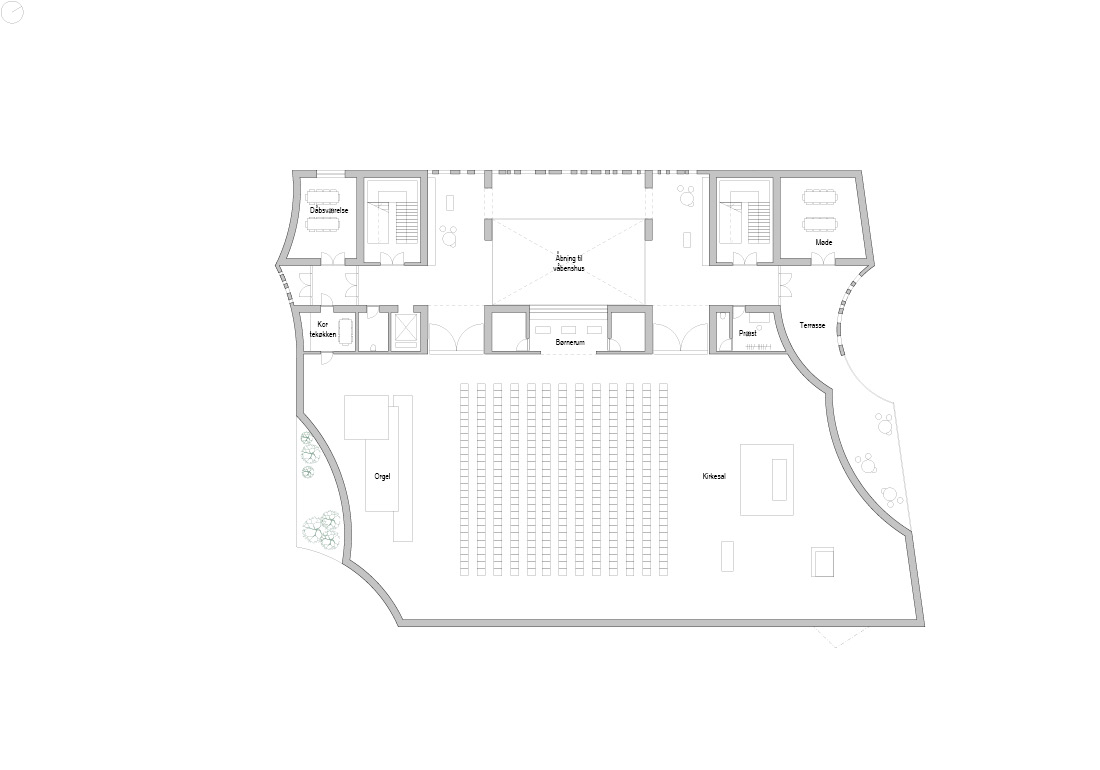
Fra hovedgaden ankommer man via en stor åbning til byens nye torv (på jorden), der også er våbenhus og kulturrum. Fra stueetagen er der fra flere sider adgang til havne- og kanalrum (under jorden) og fra 1. sal formidler det ceremonielle kirkerum kontakten til himmel og lys (over jorden). Huset bliver således et møde mellem vand og lys. Mellem naturens nærvær og guds nærvær, mellem fødsel og død, det fysiske og det åndelige.
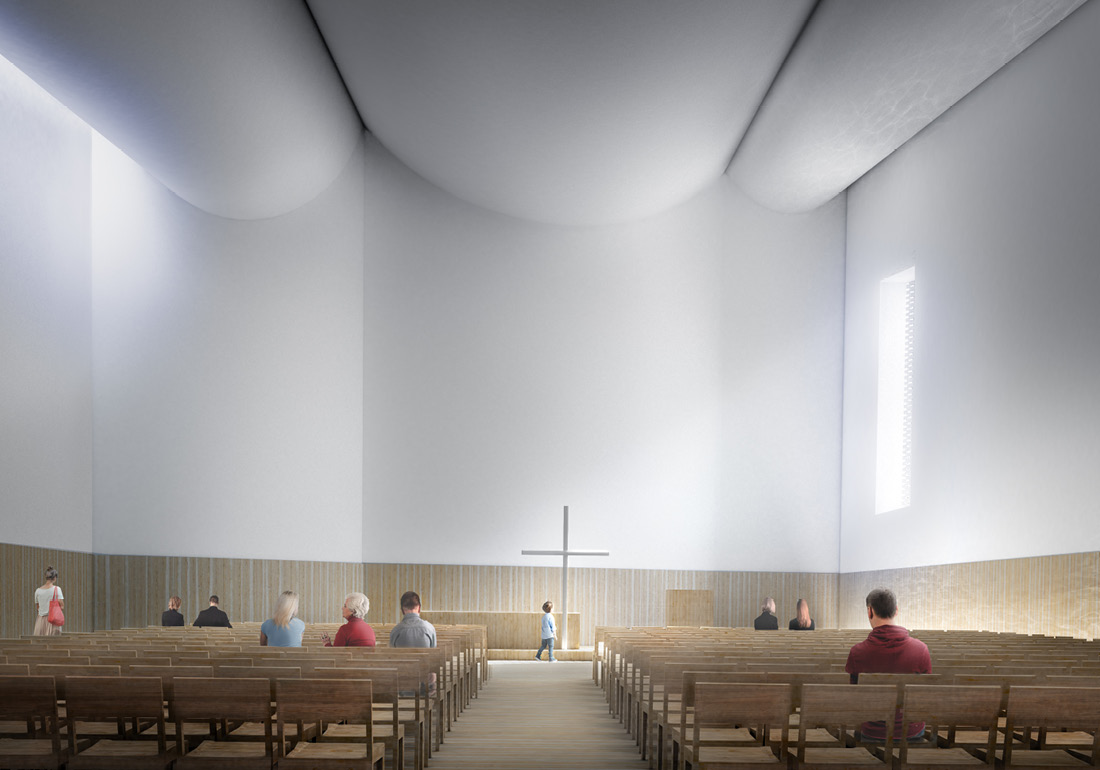
Rummets elementer omfavner tilstedeværelsen af de 3 kosmiske verdener: ”Over jorden” i form af et markant lysindfald fra himlen via en lyssprække i den ene langside. ”Under jorden” i form af en dragende spektakulær lysrefleksion fra vandet fra en lyssprække i gulvet i den modstående langside, og ”på jorden” i form af selve kirkerummets rolige, kalkede, organiske indre. Rummet favner dermed øst-vest retningen fra vand til lys.
Previous project Next project
Culture
Transformation
Public
Private
Planning