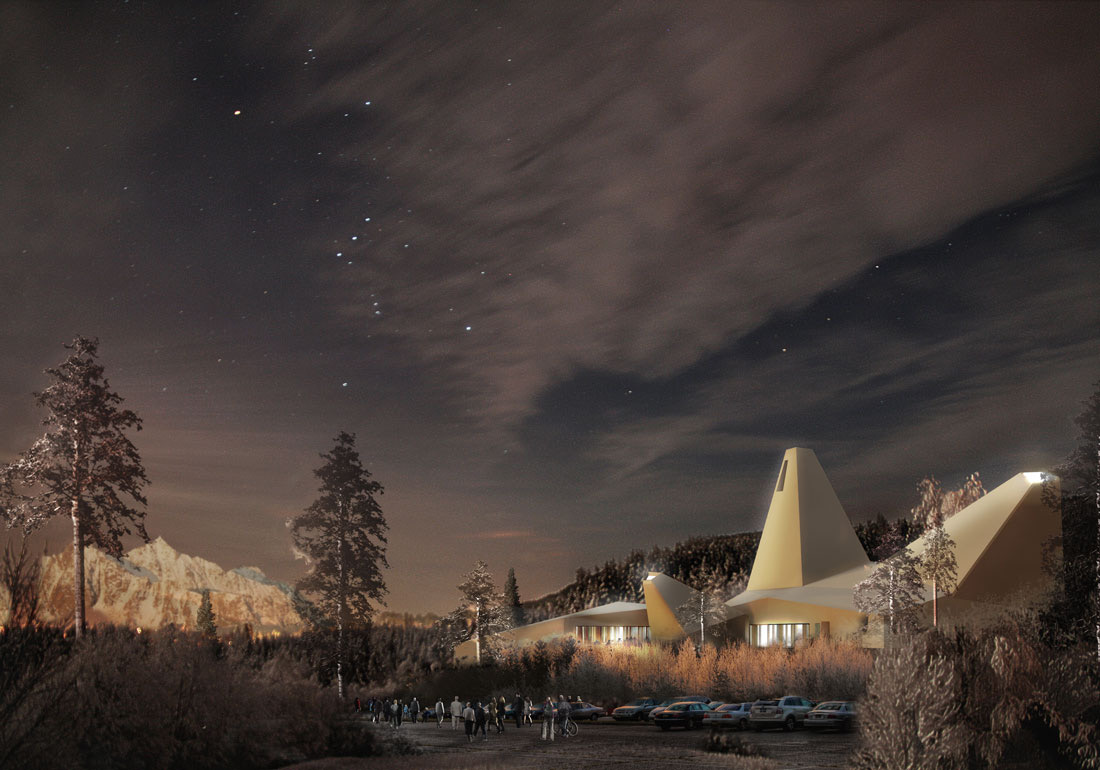
De norske kirker har undergået en stor udvikling siden kristendommen kom til Norge. Kirkerne er opført gennem næsten et årtusinde men har fællestræk i en bekendt norsk kirkearkitektur, der viser en tydelig forståelse for og sammenhæng med naturens sprog og former. Det unikke norske kulturlandskab med fjorde, fjelddrag, dalbunde og skov afspejler kirkernes arkitektur i en særlig helhed mellem ånd og sted.
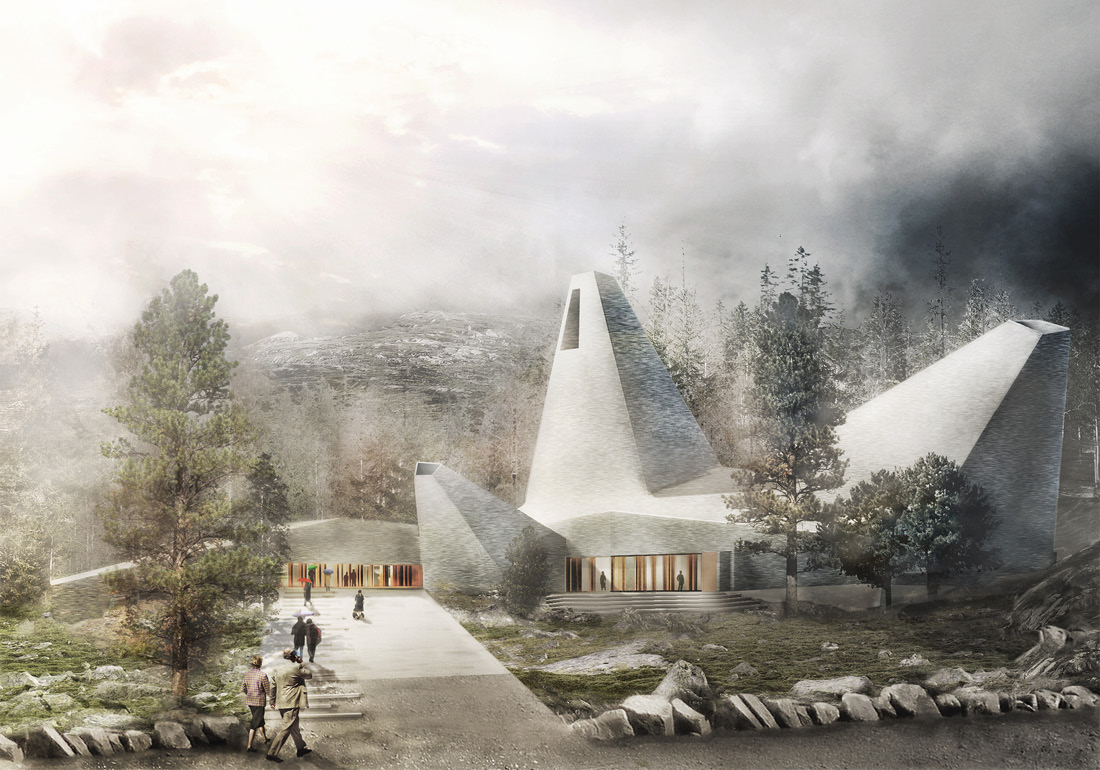
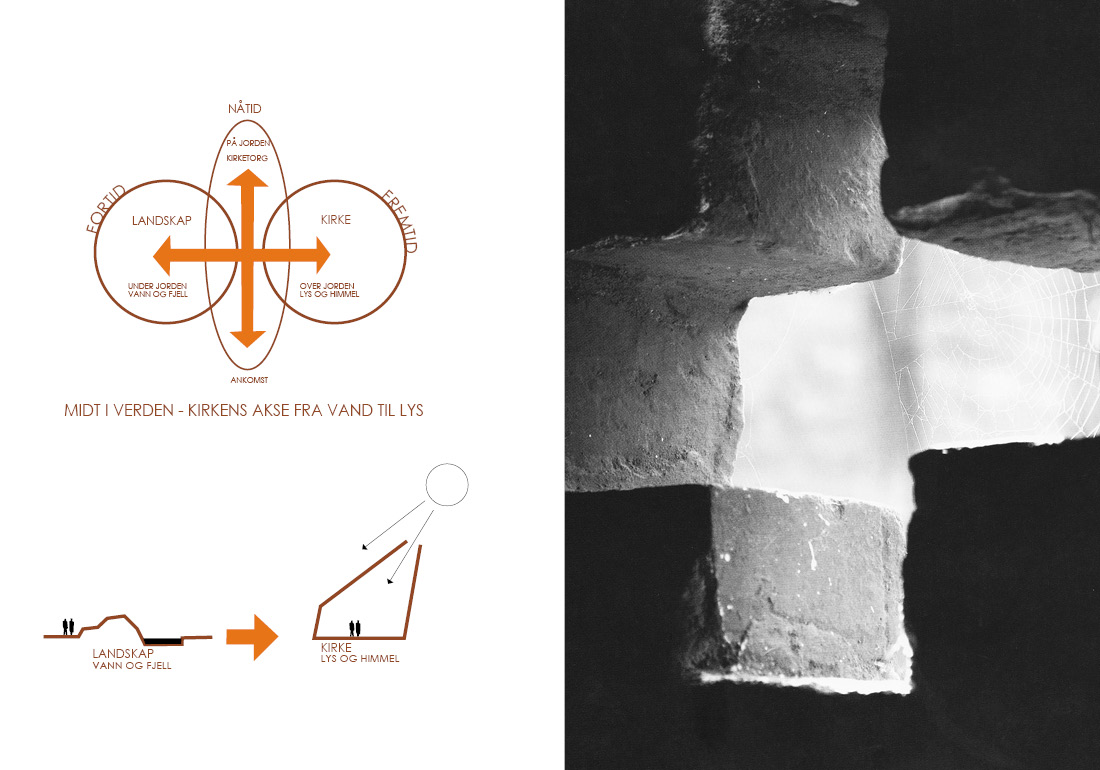
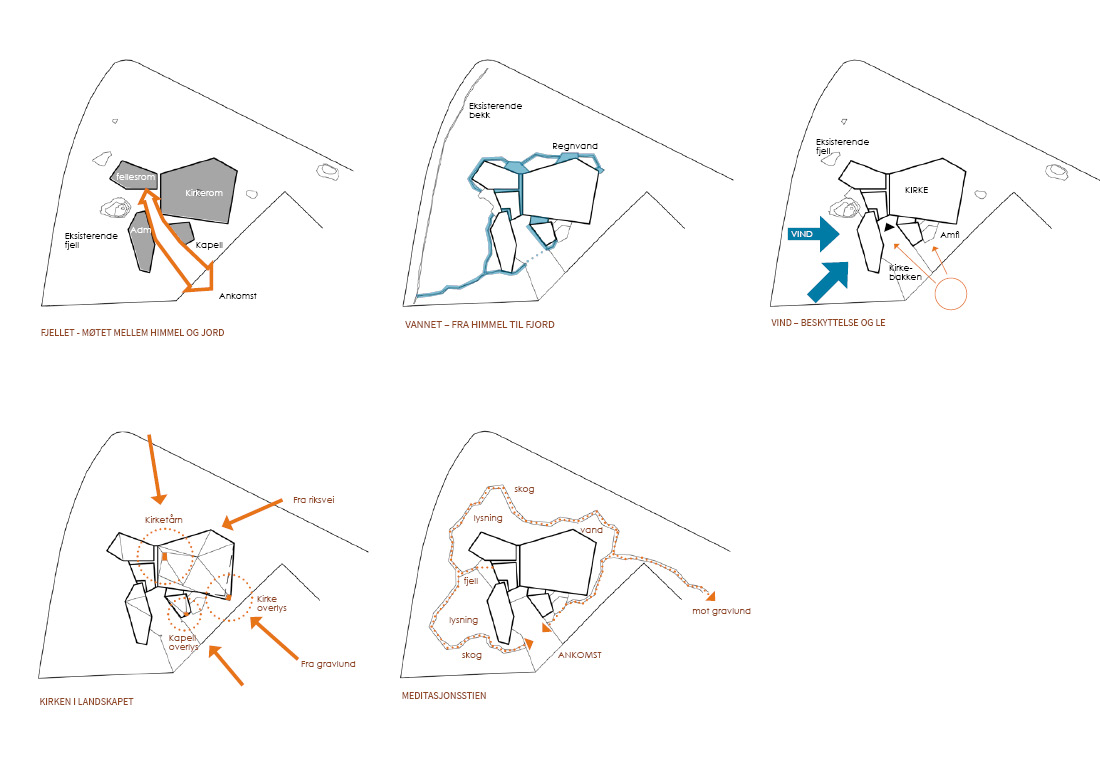
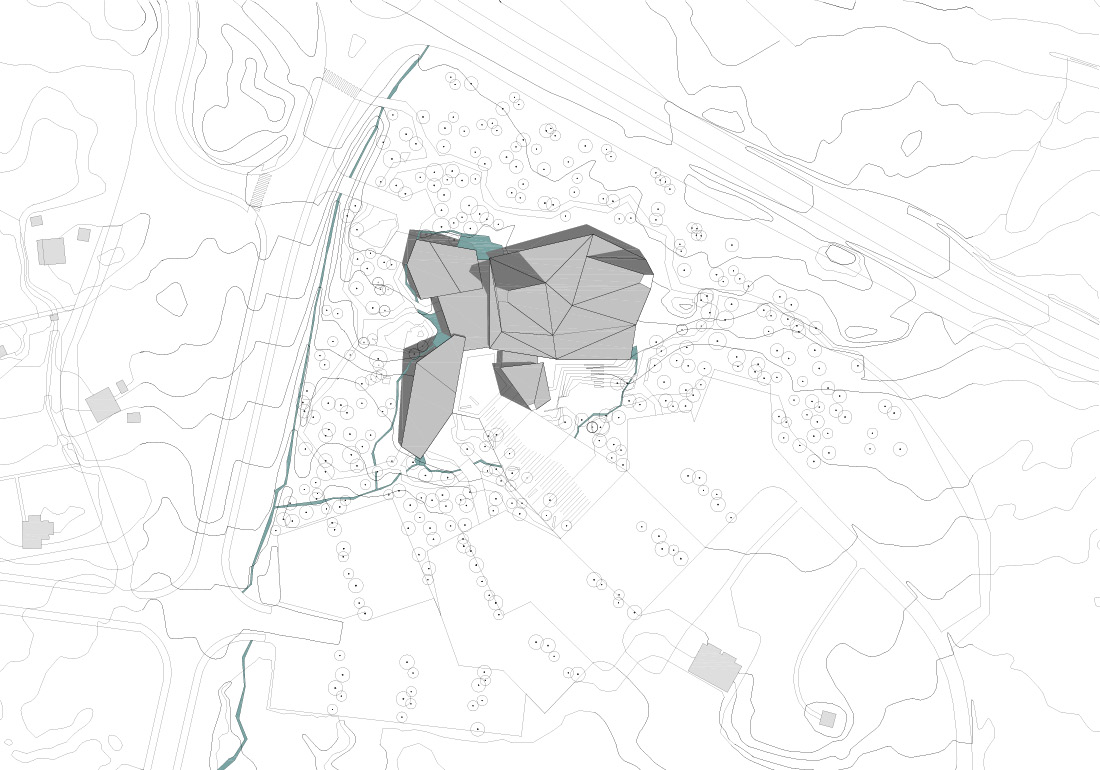
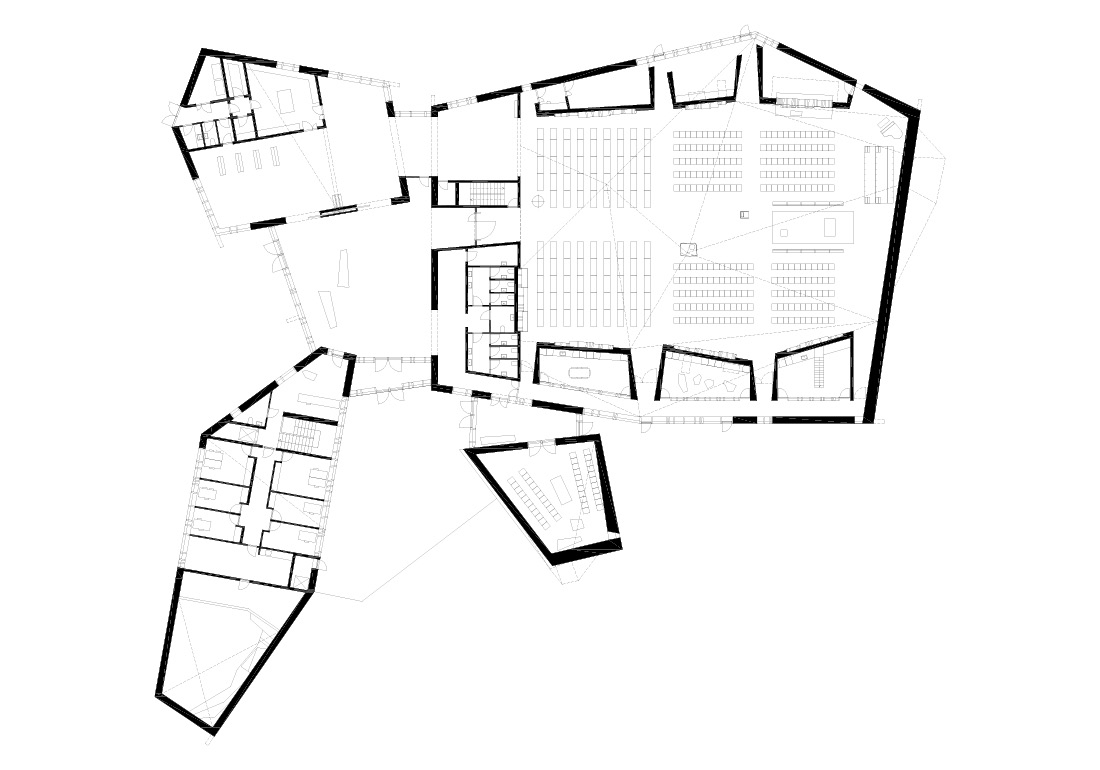
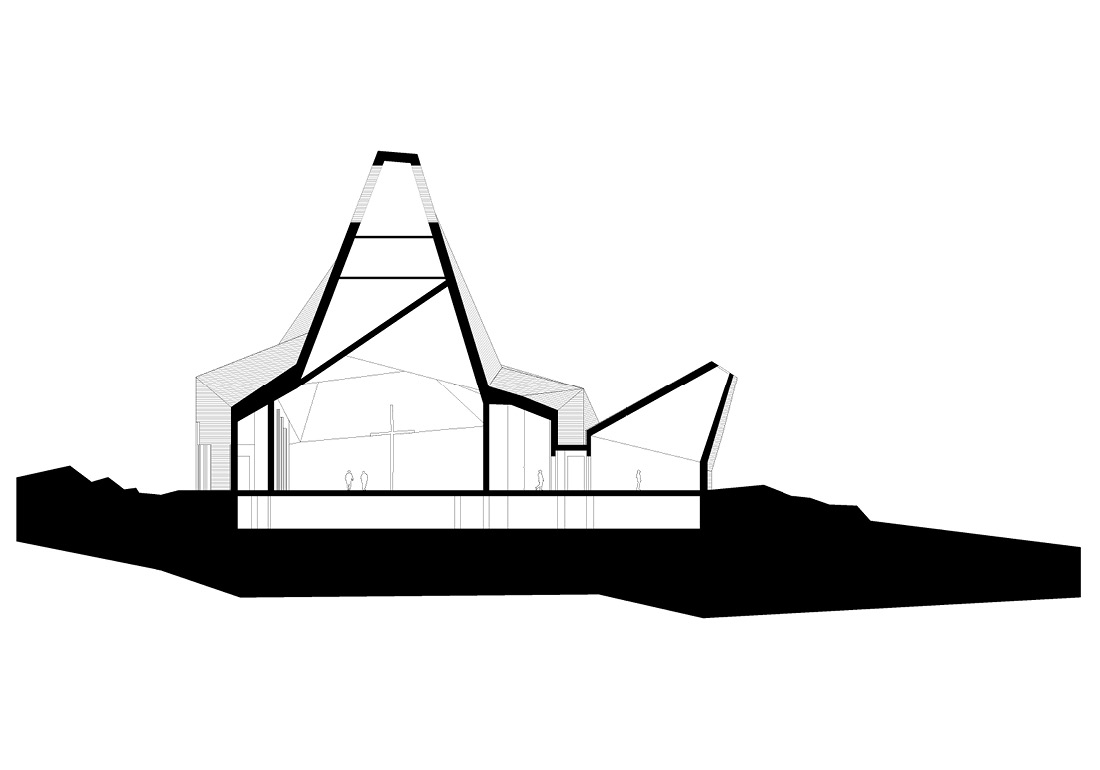
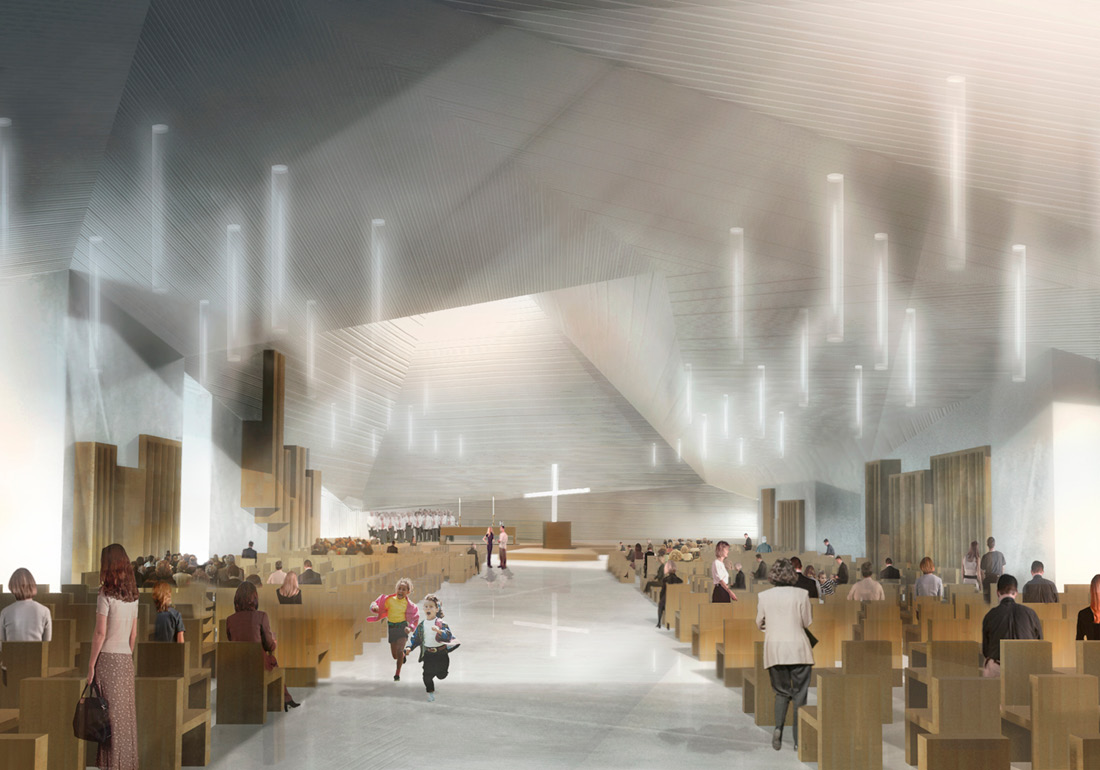
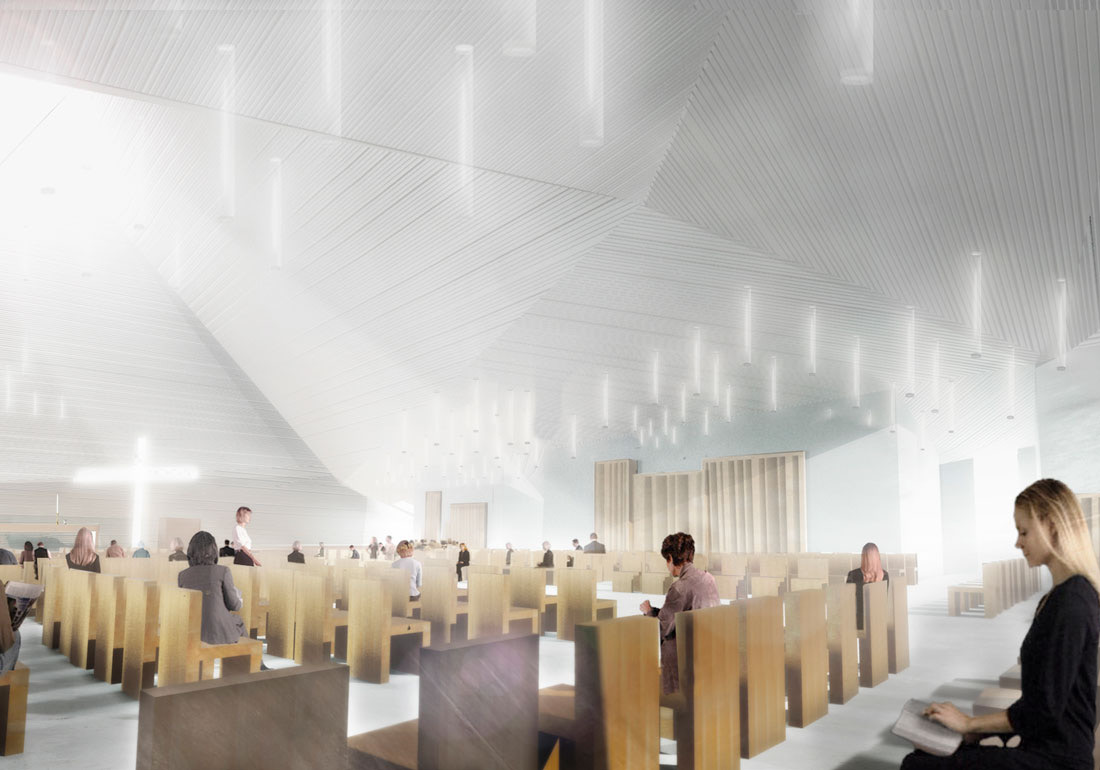
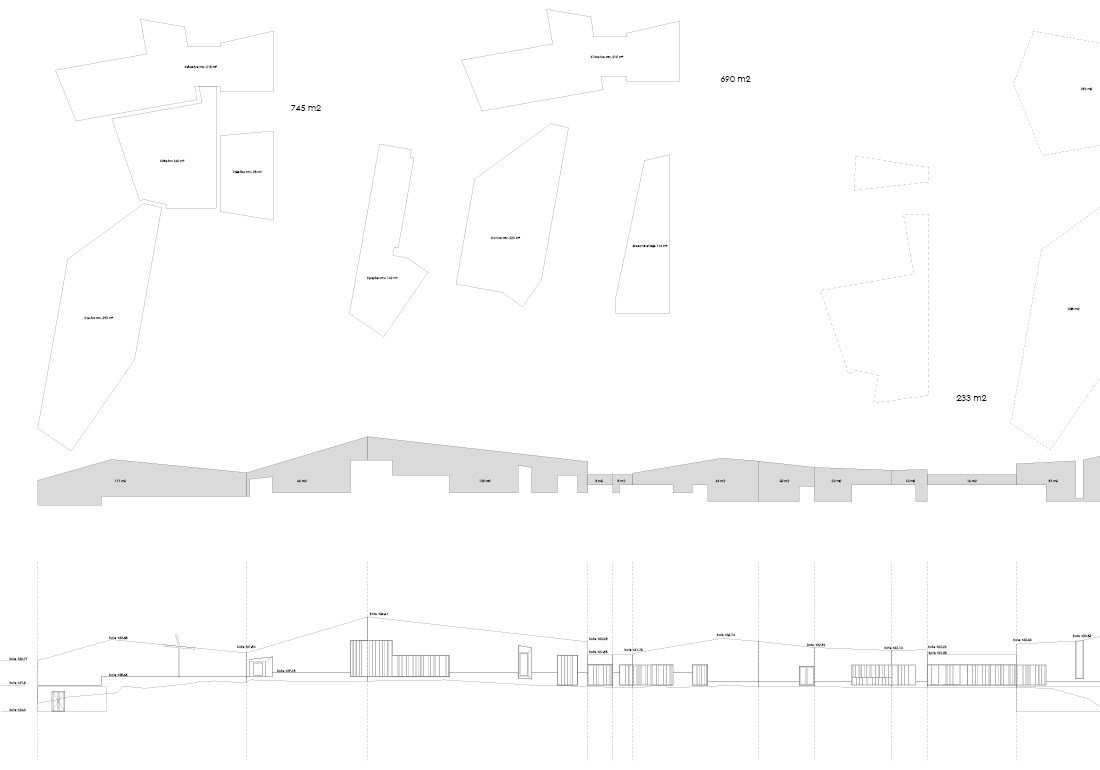
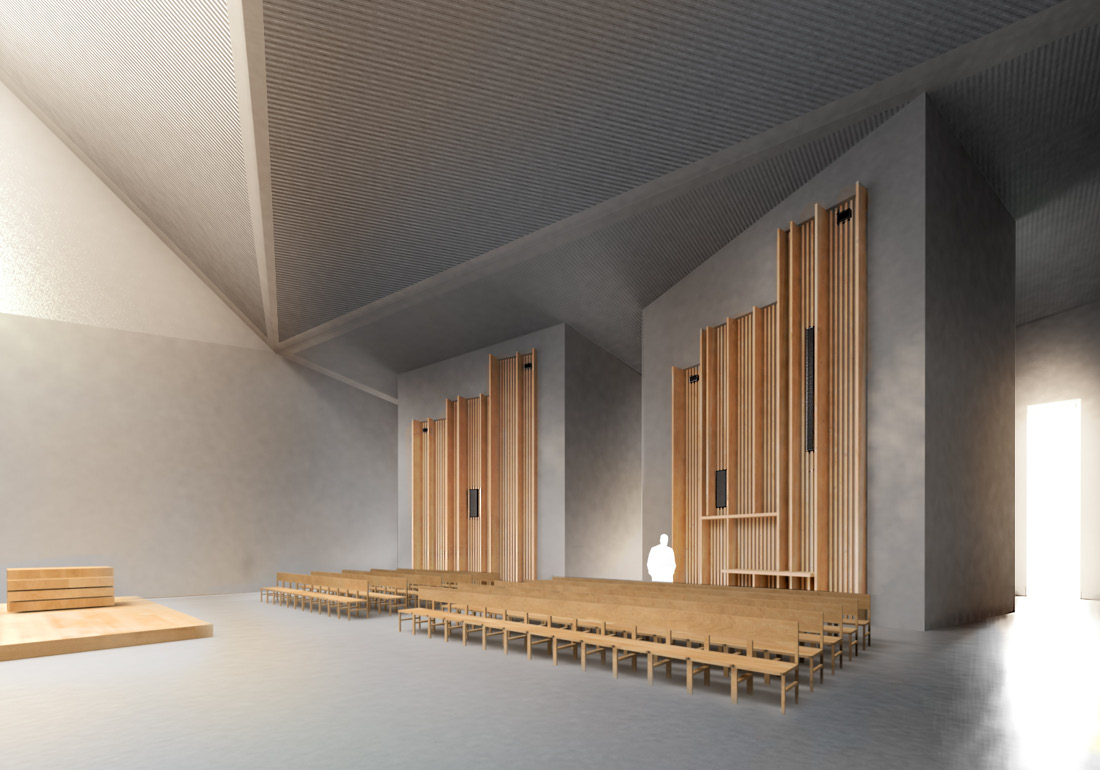
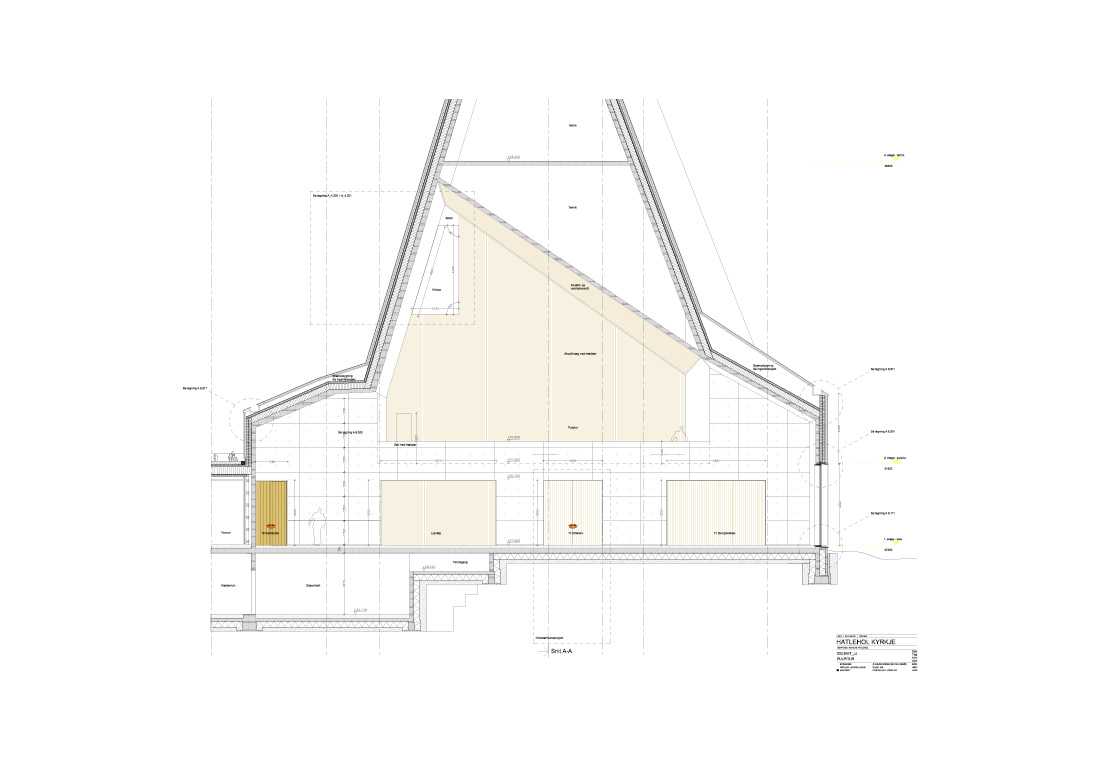
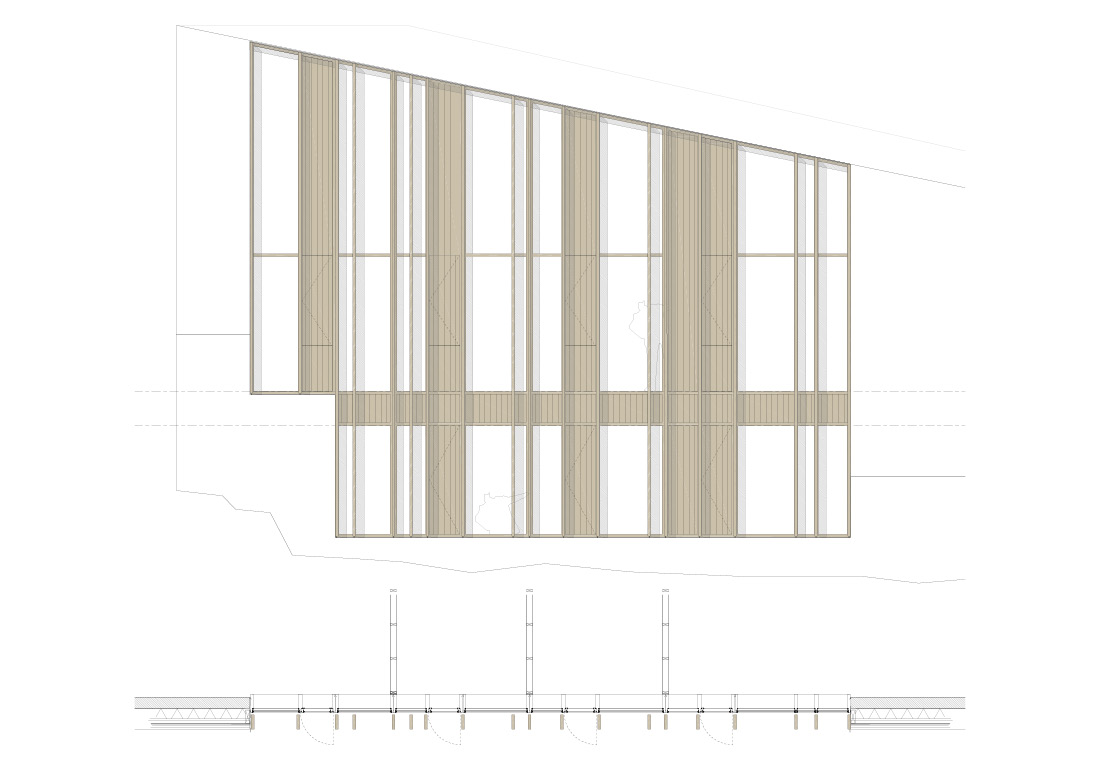
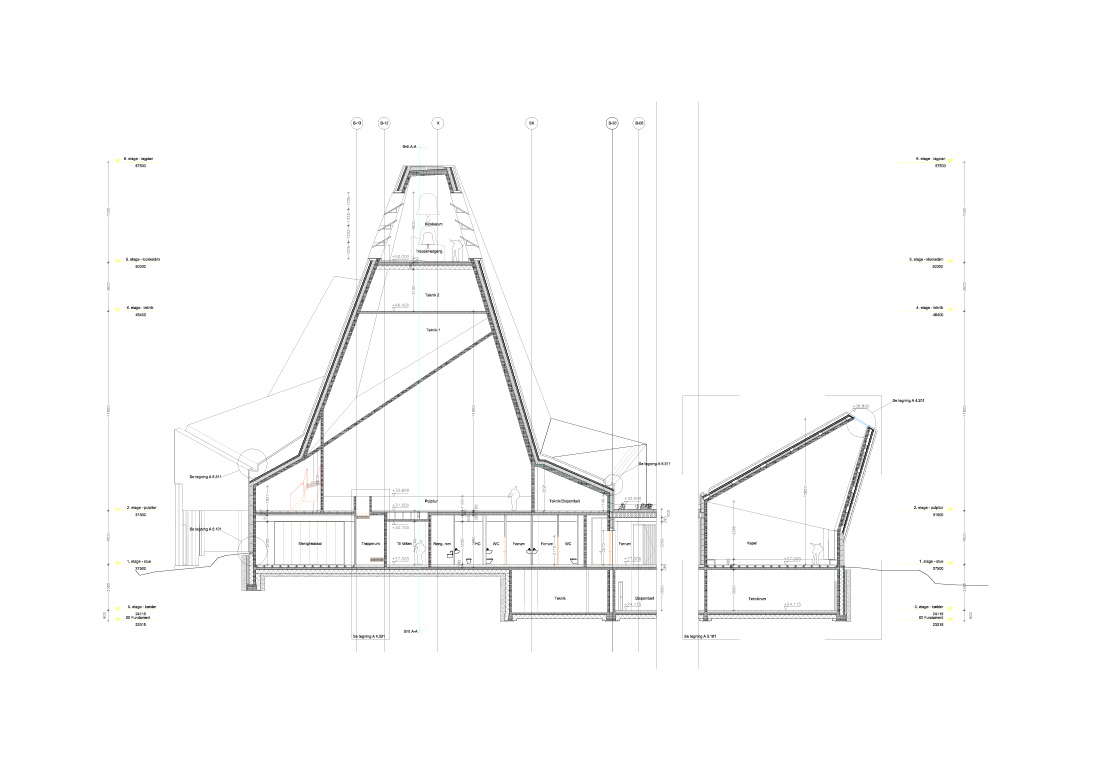
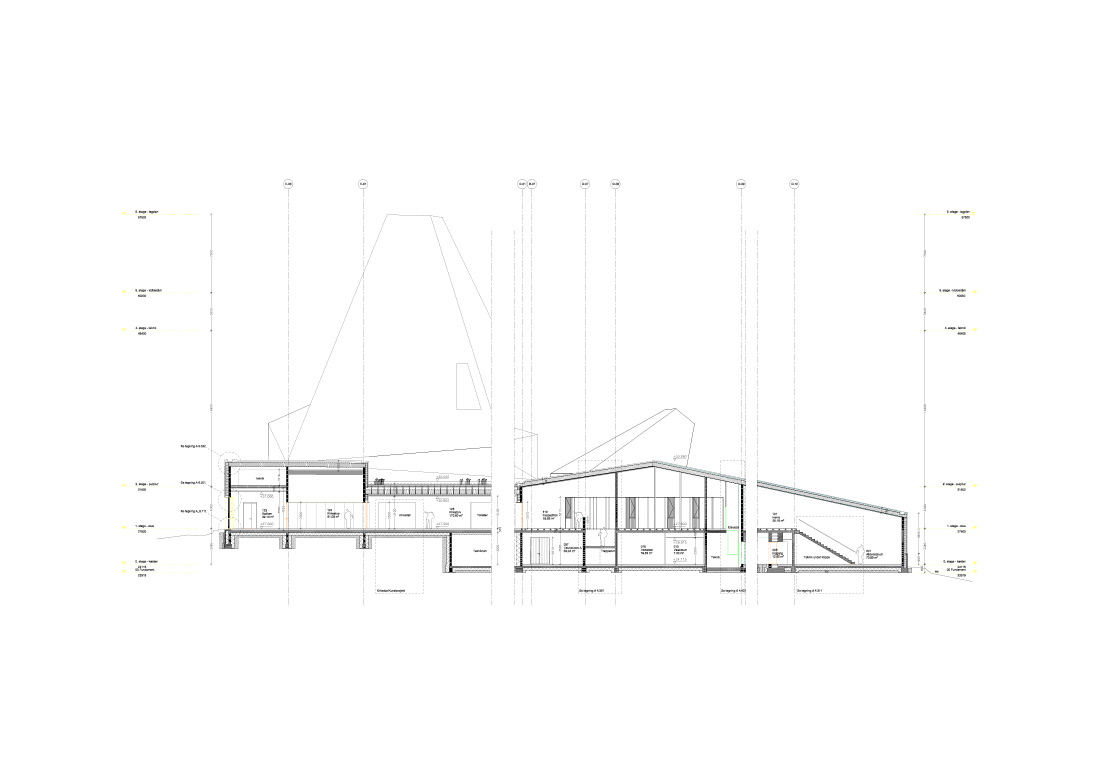
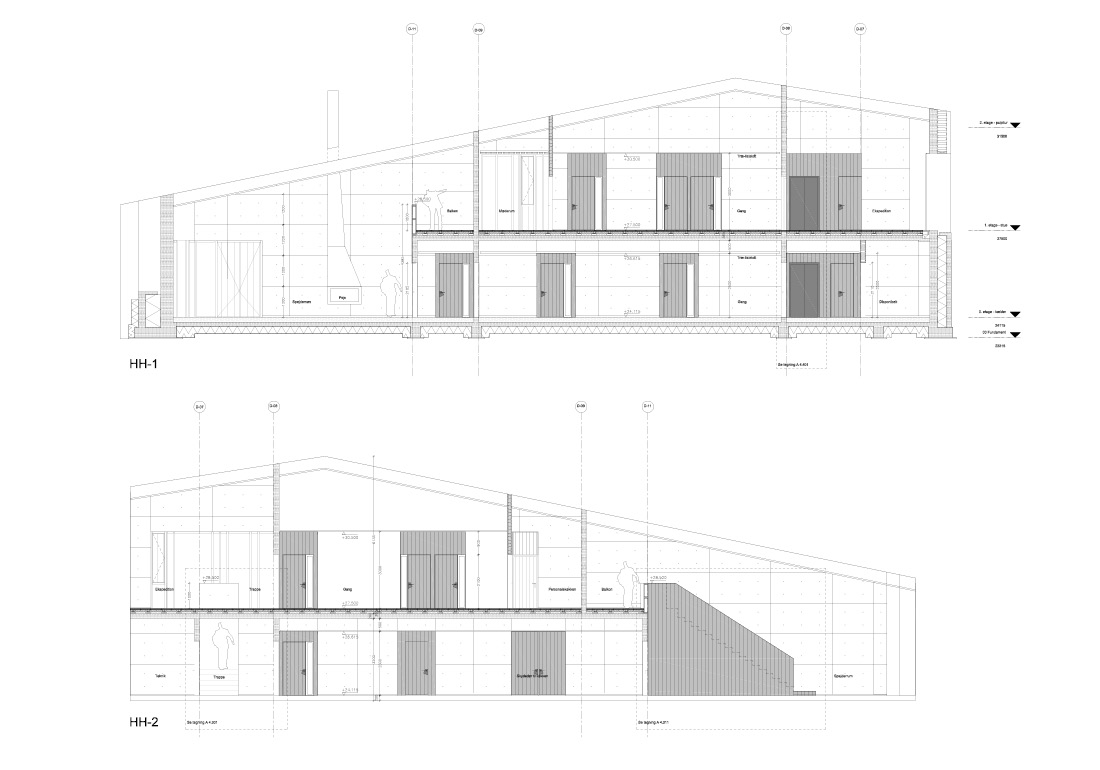
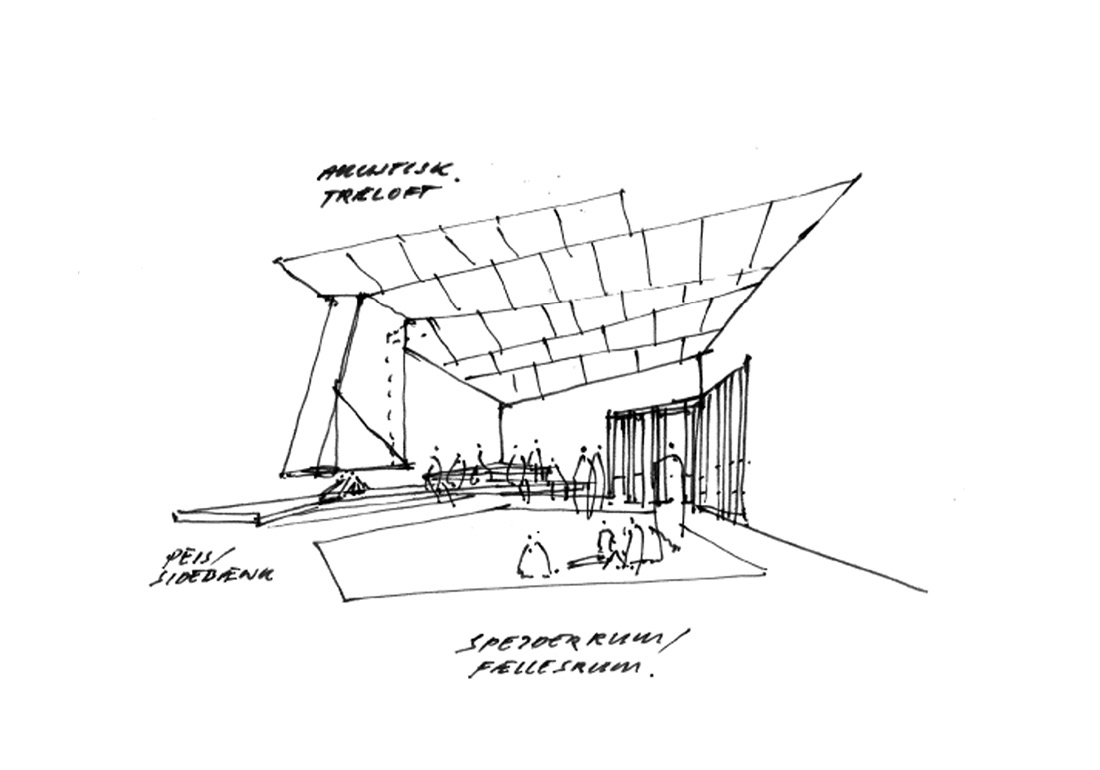
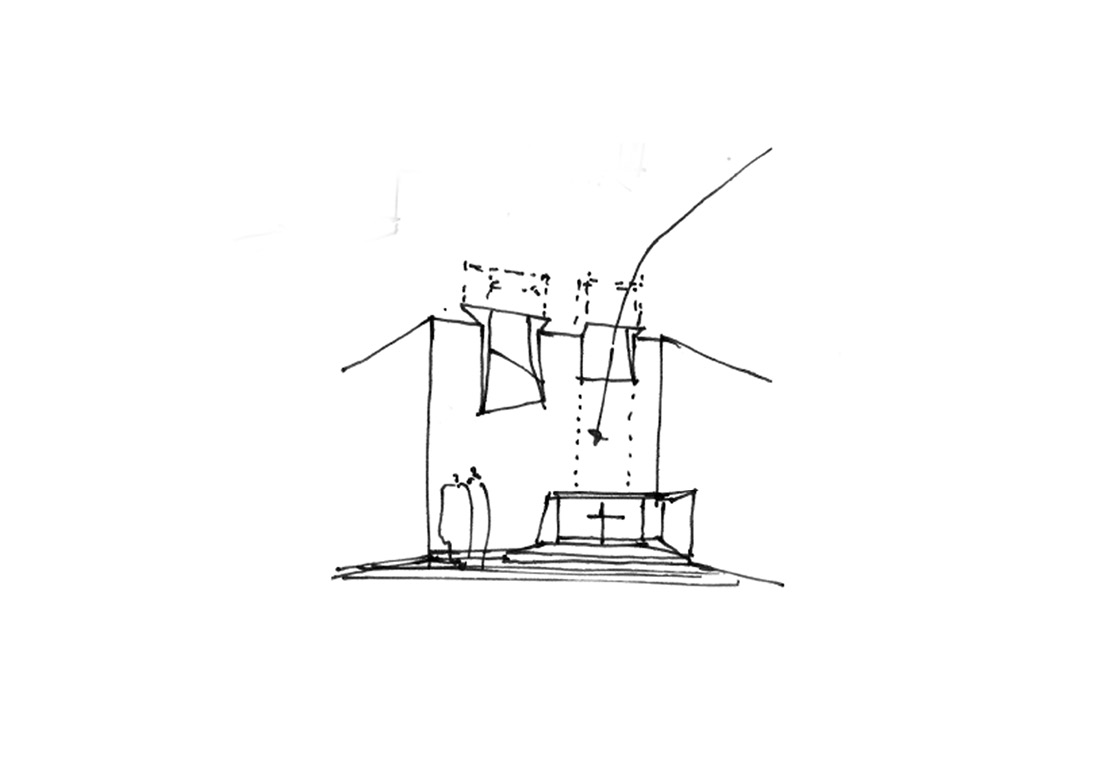
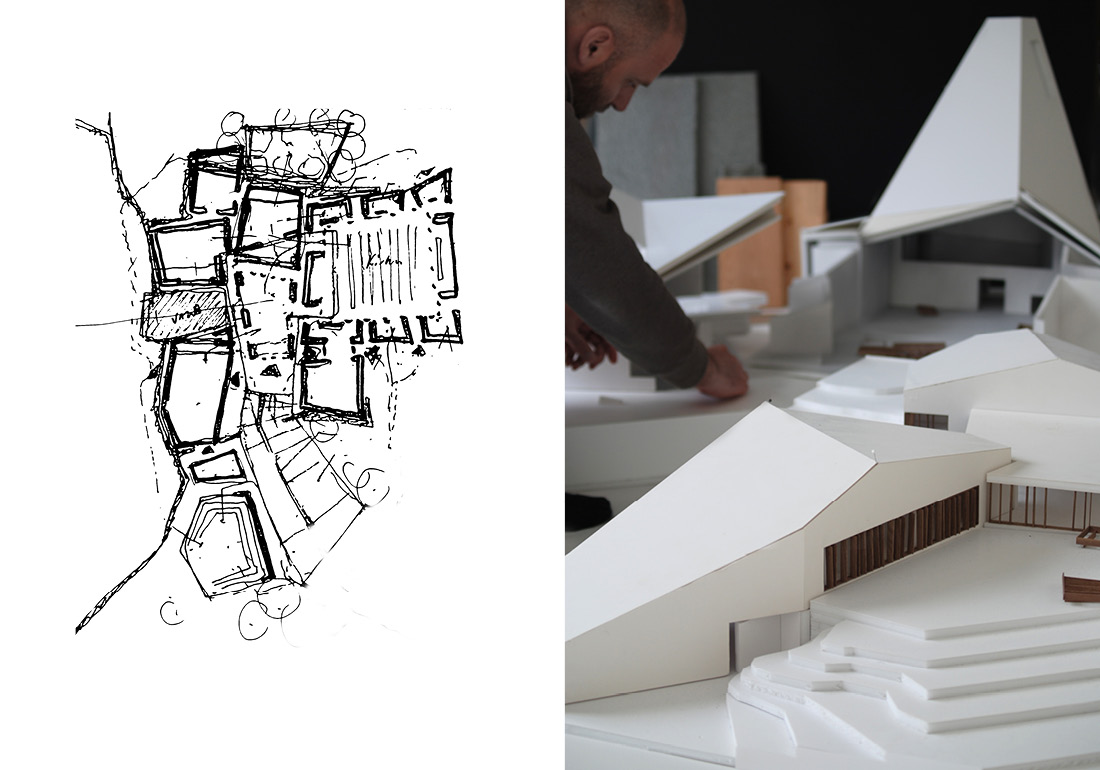
Hatlehol kirke er disponeret som en sammenstilling af flere bygnings-volumener, der udtrykker et tydeligt tilhørsforhold til naturen og stedets sprog. Kirkebygningens rum er udlagt omkring kirketraditionens verdensakse; en nord-sydlig akse fra ankomsten fra Kirkebakke mod torv og fællesskab samt en vestlig-østlig akse, der bevæger sig fra den nære natur med vand og fjeld over kirkerummets kig til himmel og lys. Et møde mellem fjeld, vand og lys. Mellem naturens nærvær og troens nærvær, fødsel og død, det fysiske og det åndelige.
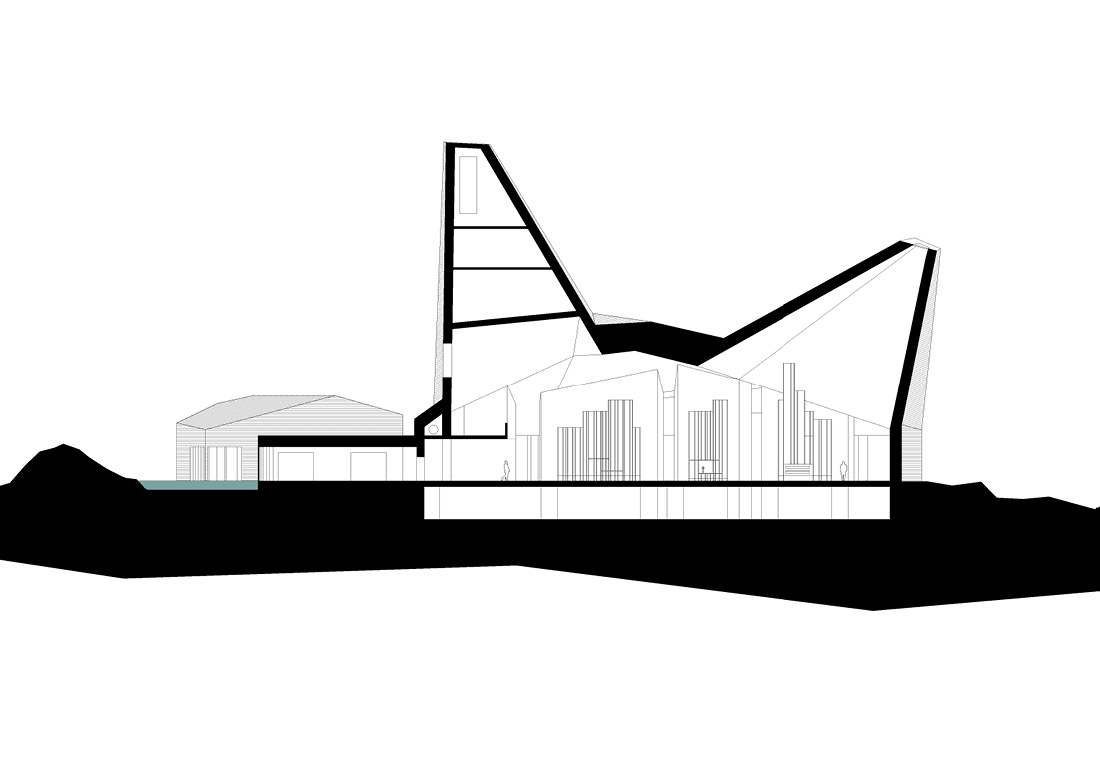
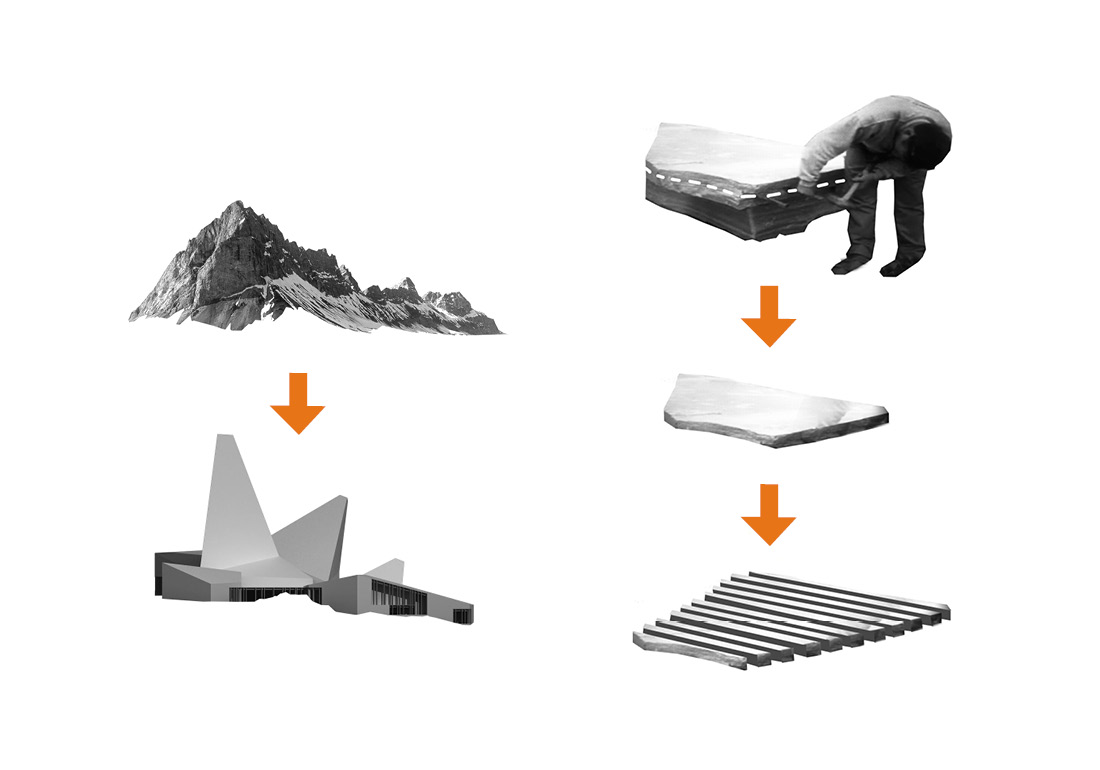
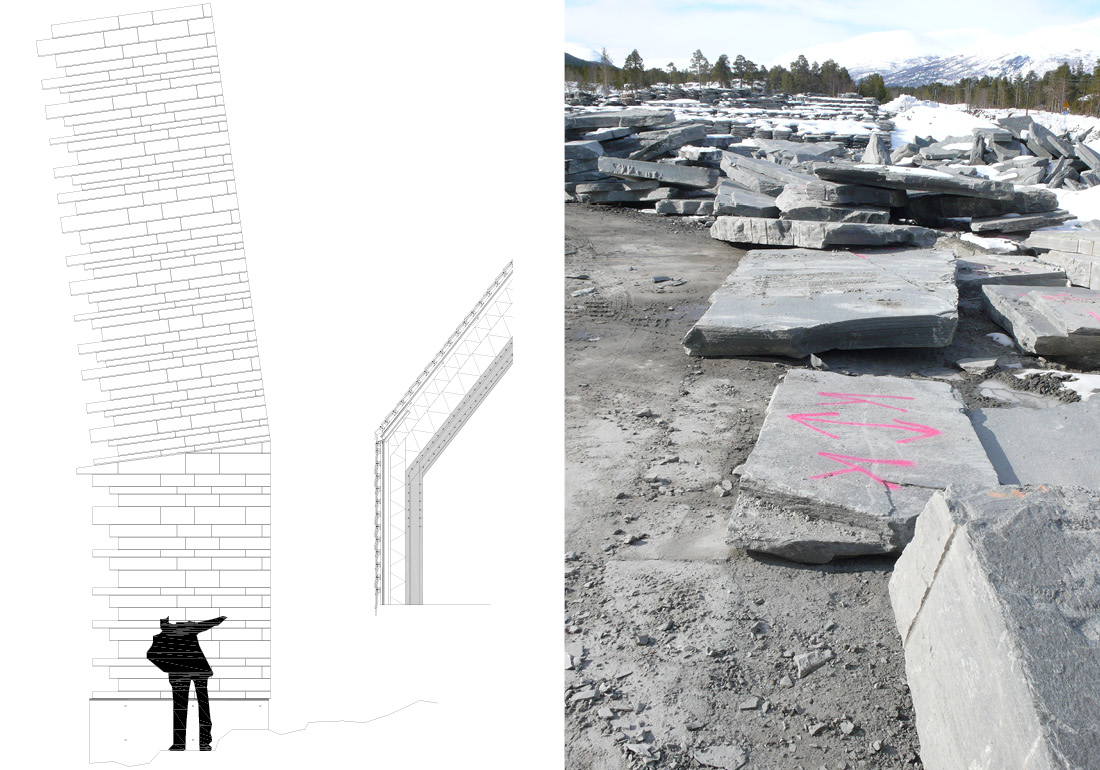
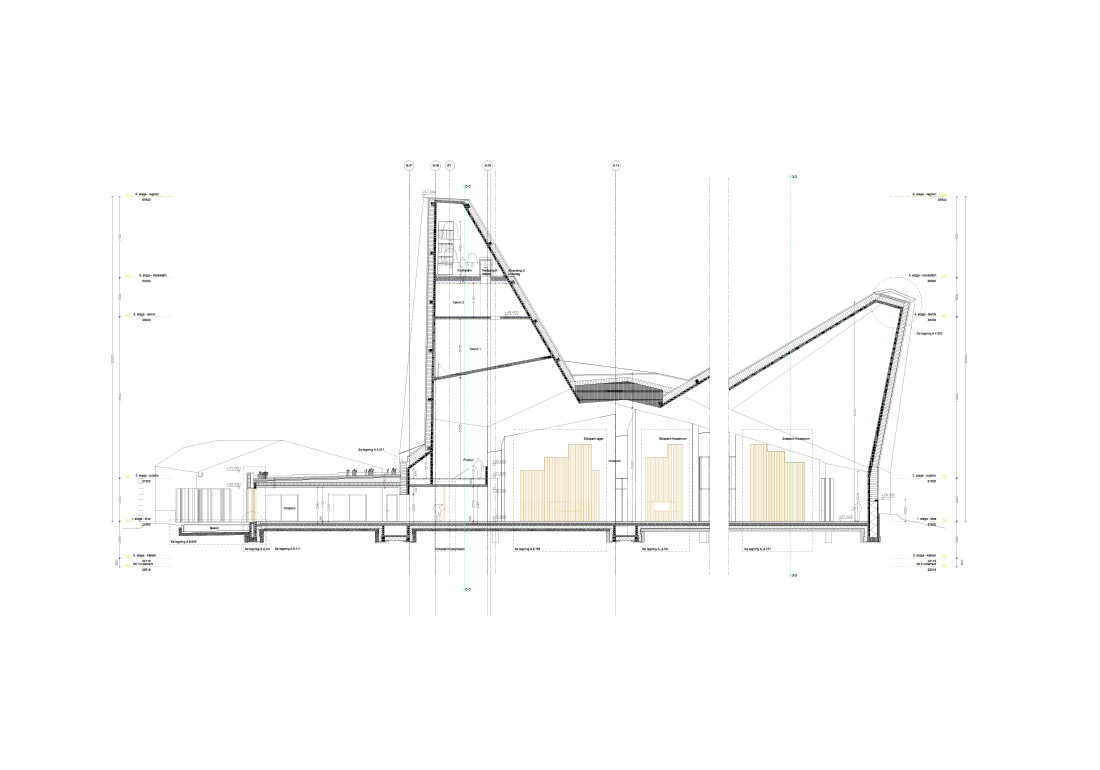
De enkelte bygningskroppe er udformet som abstraktioner over fjeldlandskabet; Som fjeldstykker placeret på stedets naturlige plateauer inddrages en række eksisterende fjeldtoppe i arkitekturen, bl.a. som dåbsgrav i kirkerummet. Dele af bygningerne knækker i landskabet og rejser sig skulpturelt op over træerne, som markante ovenlys og som et integreret kirketårn. Hele kirkekomplekset bliver et symbol på naturen/fjeldet, det massive og uforanderlige og mødet mellem himmel og jord.
Det er ambitionen, at bygningen udføres, som det første offentlige byggerier i norden bygget efter Cradle to Cradle principper. Dette inkluderer blandt andet tiltag omkring materialeoptimering, genanvendelse af materialer, energiforbrug som passivhus, vandgenbrug m.m.
Litteratur:
“ANC”, no 403, 2014, special issue on religious architecture, Korea 2014
“Arkitekten”, no 6 2014, Ark. forlag, portrait and selected projects
Previous project Next project
Culture
Transformation
Public
Private
Planning