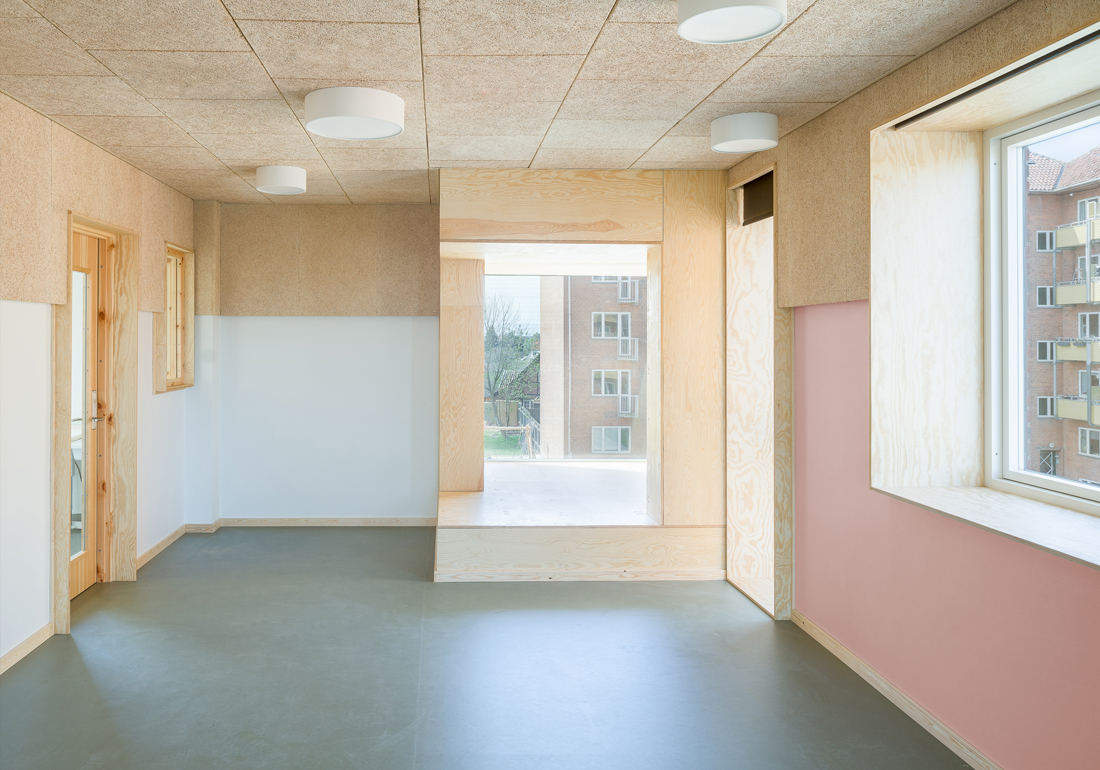
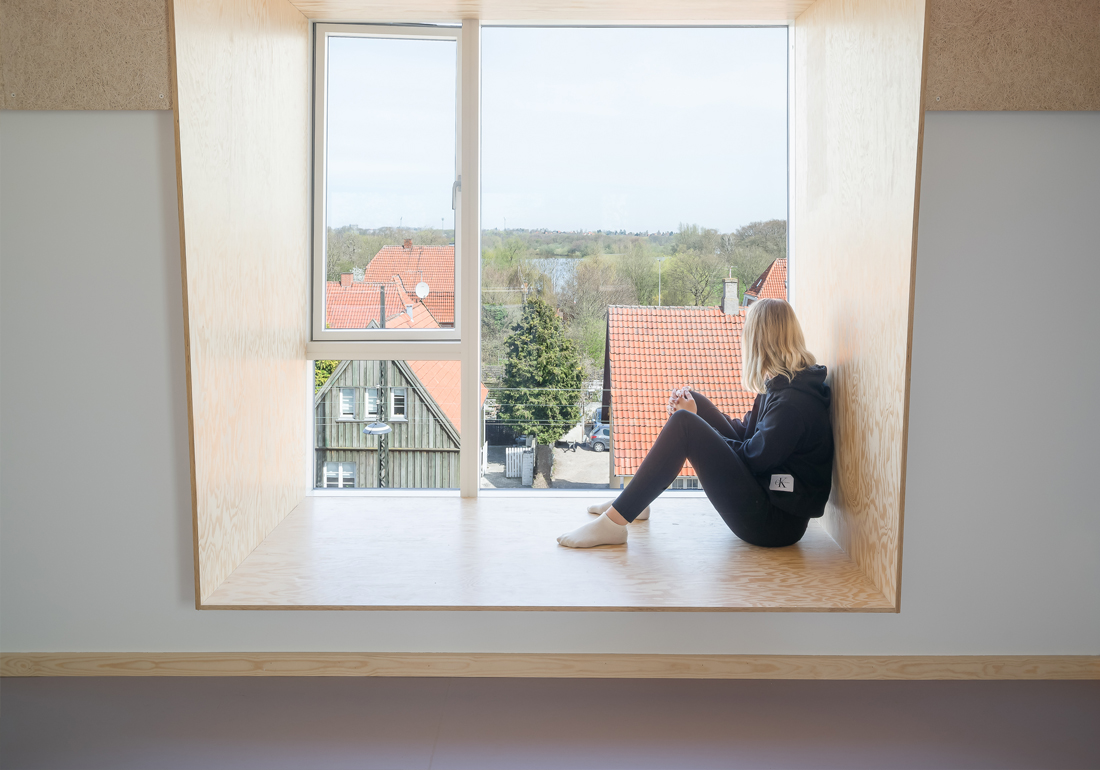
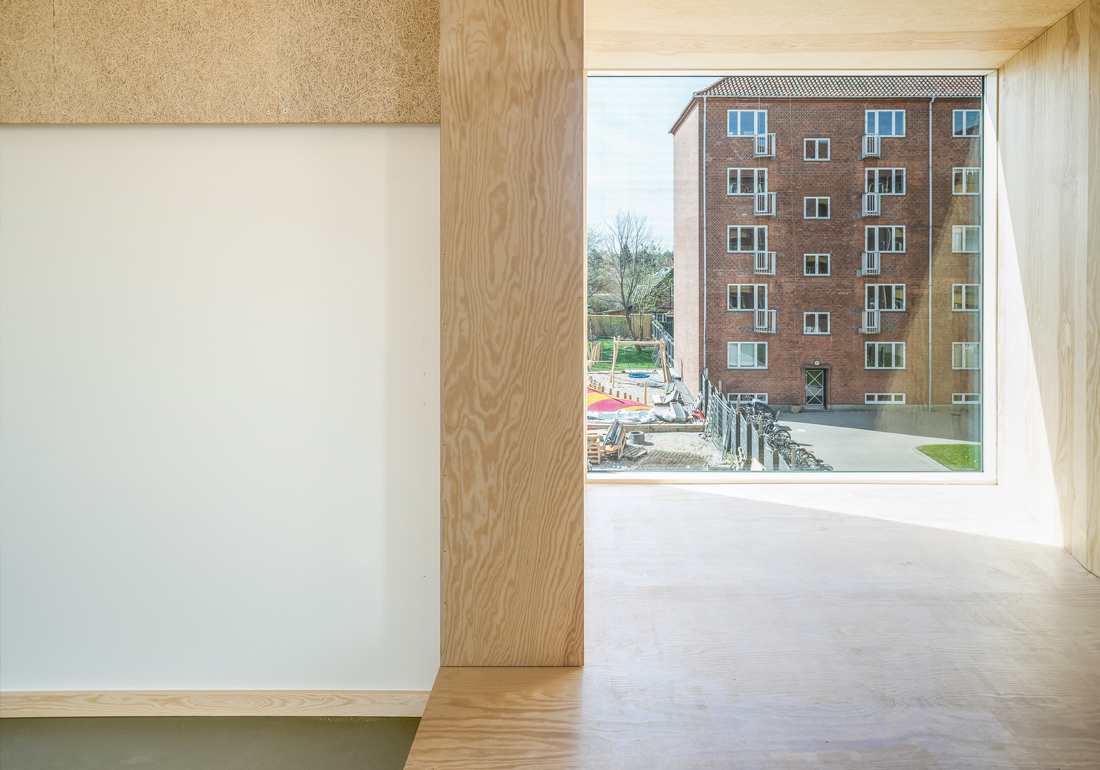
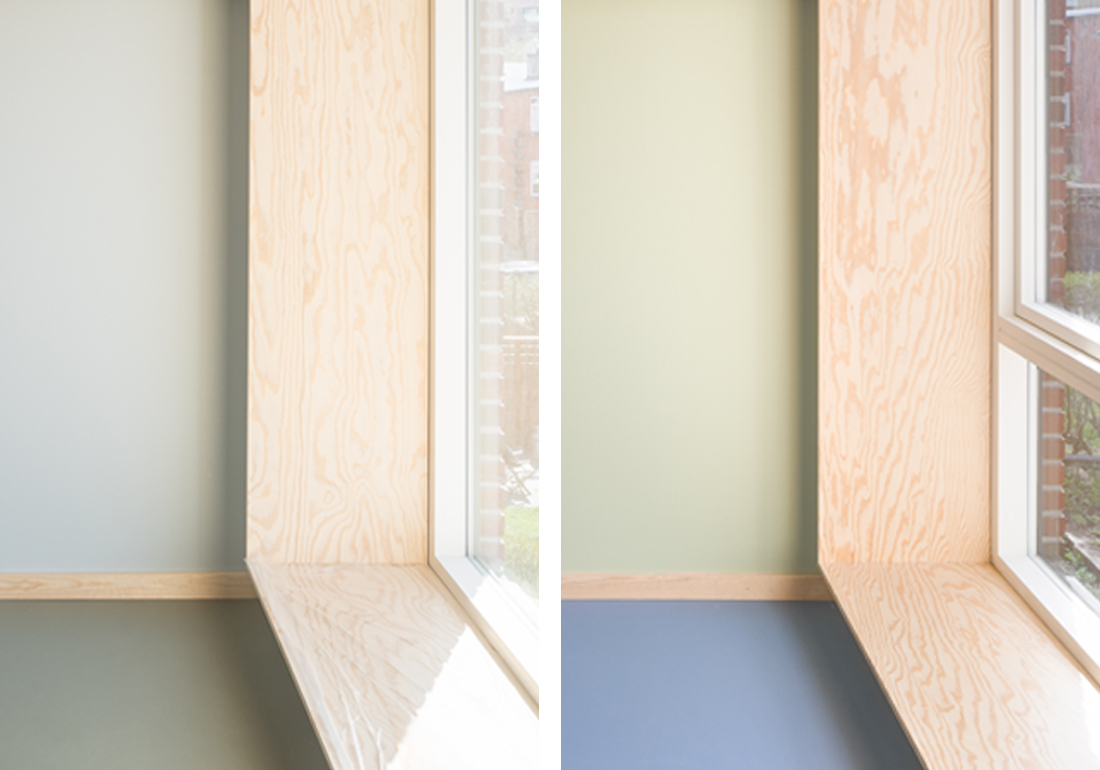
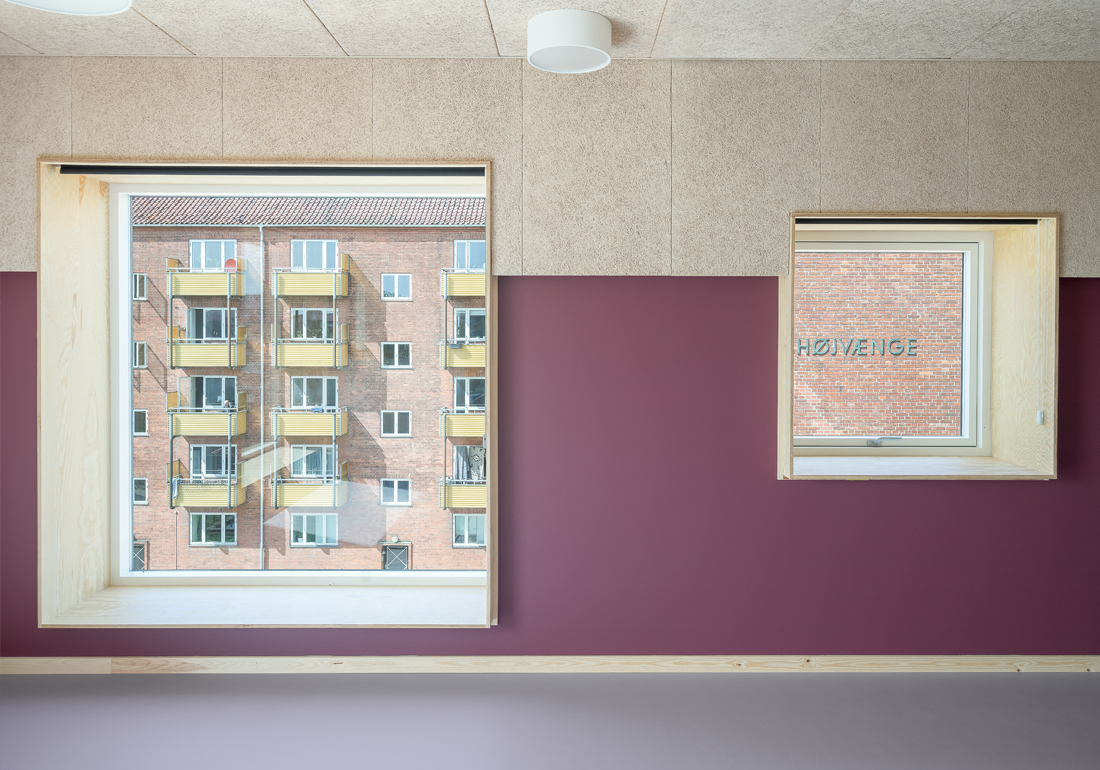
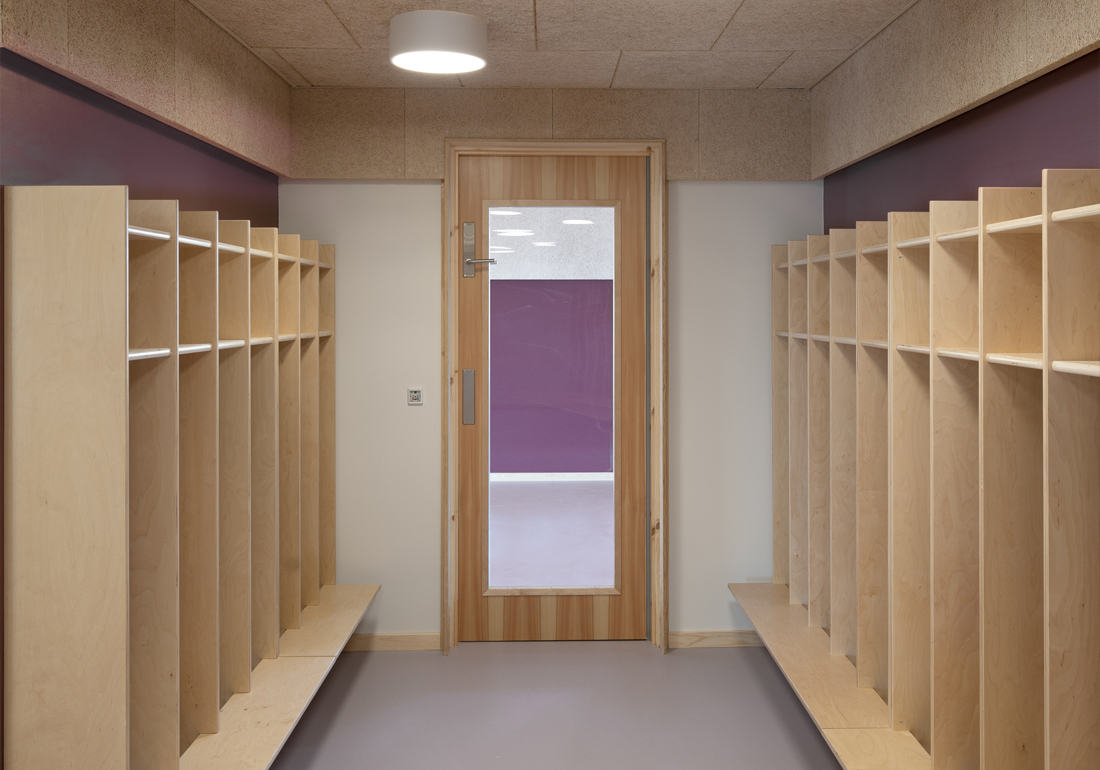
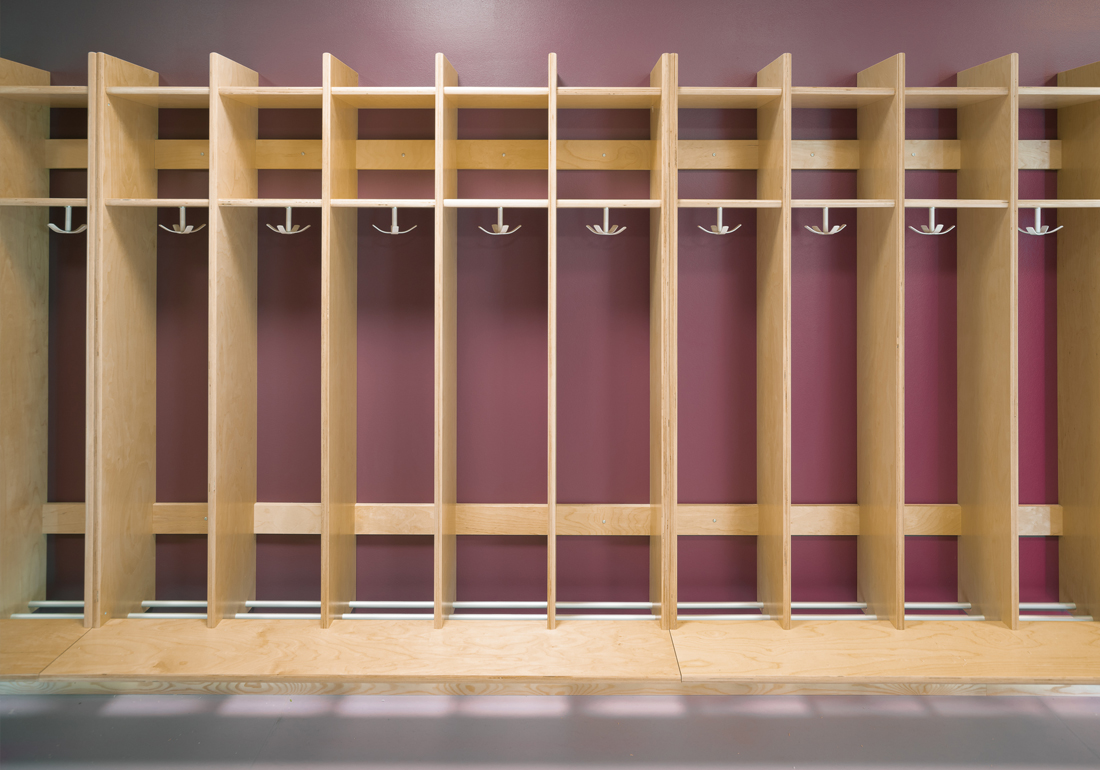
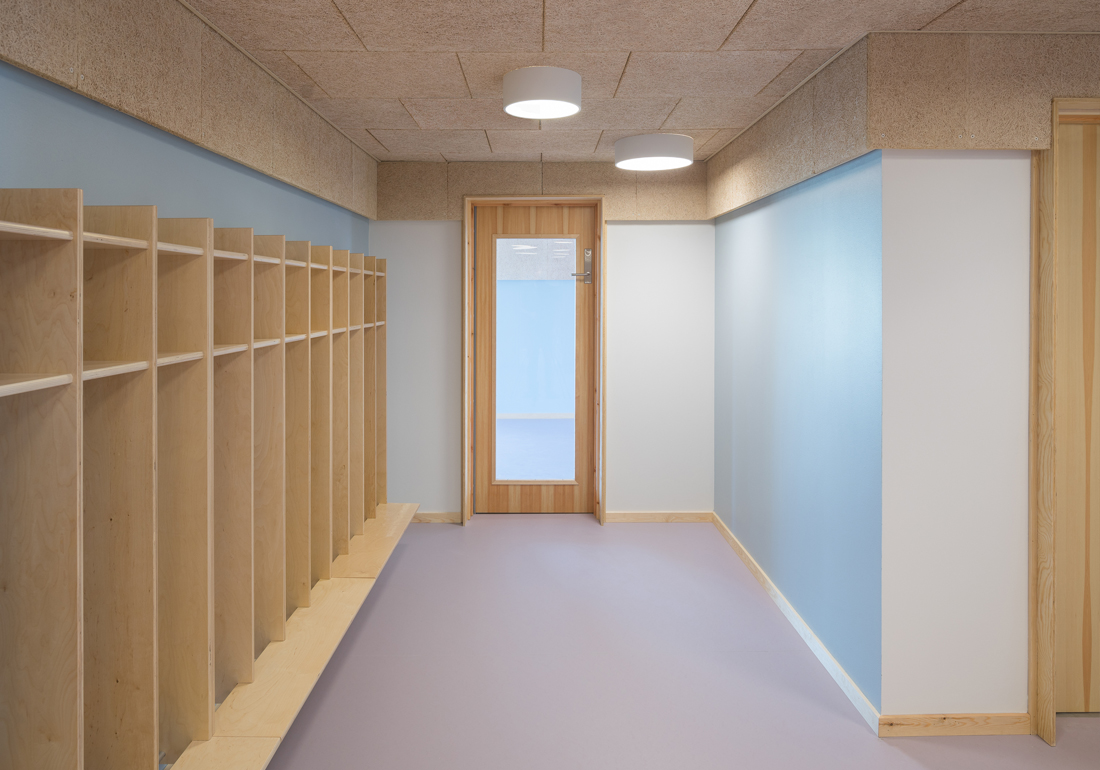
Ind imellem overraskes man af skønheden i det tilfældige. Det utilsigtede, tilfældige møde mellem farver man ikke kunne tænke sig til effekten af. Disse møder kan være helt upåagtede indtil man pludselig får øje på dem. Har man først øje for denne tilfældige skønhed i det upåagtede, føles det som en uventet foræring, man føler trang til at videreformidle til glæde for andre.
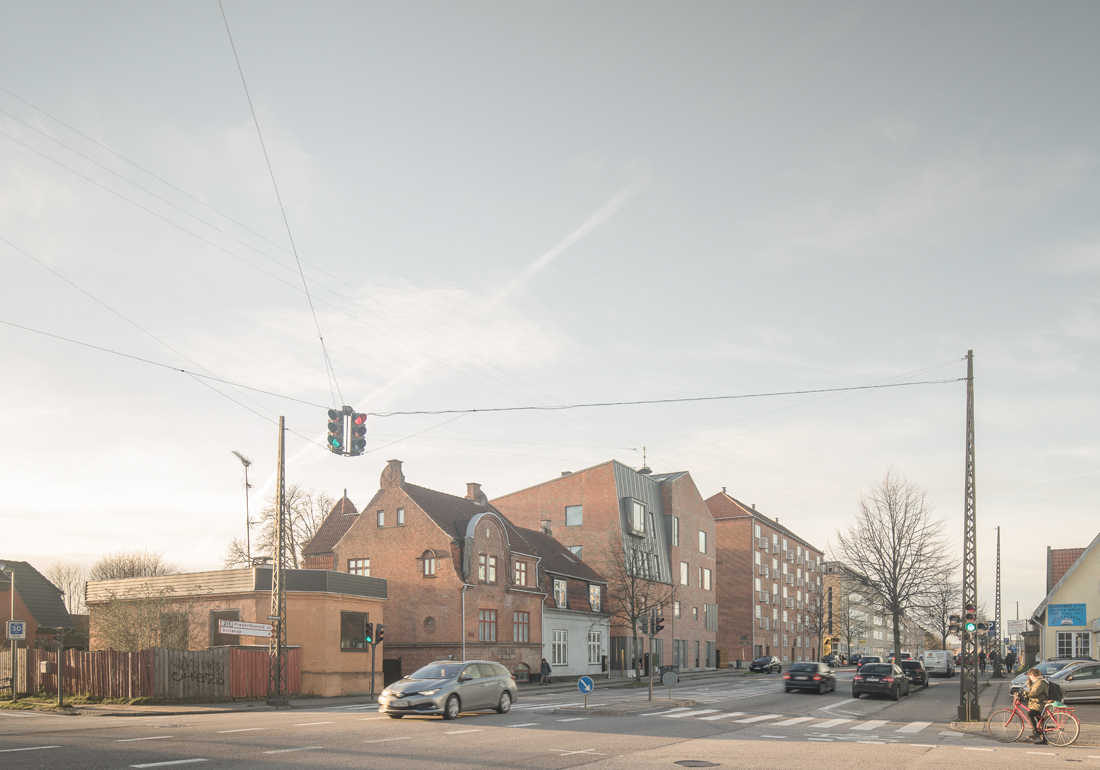
Området omkring den nye daginstitution på Frederikssundsvej “Legehuset” i Brønshøj rummer denne tilfældighed. Grimheden i stedet trænger sig på – trafikstøj, uforenelige skalaspring og tilfældige bygningstypologier kombineres med hjem for almindelige mennesker, små erhverv og lidt småindustri. Der leves et liv her. Og det er i den råhed, almindelighed og tilfældighed, der kan findes skønhed. Det smukke i det grimme.
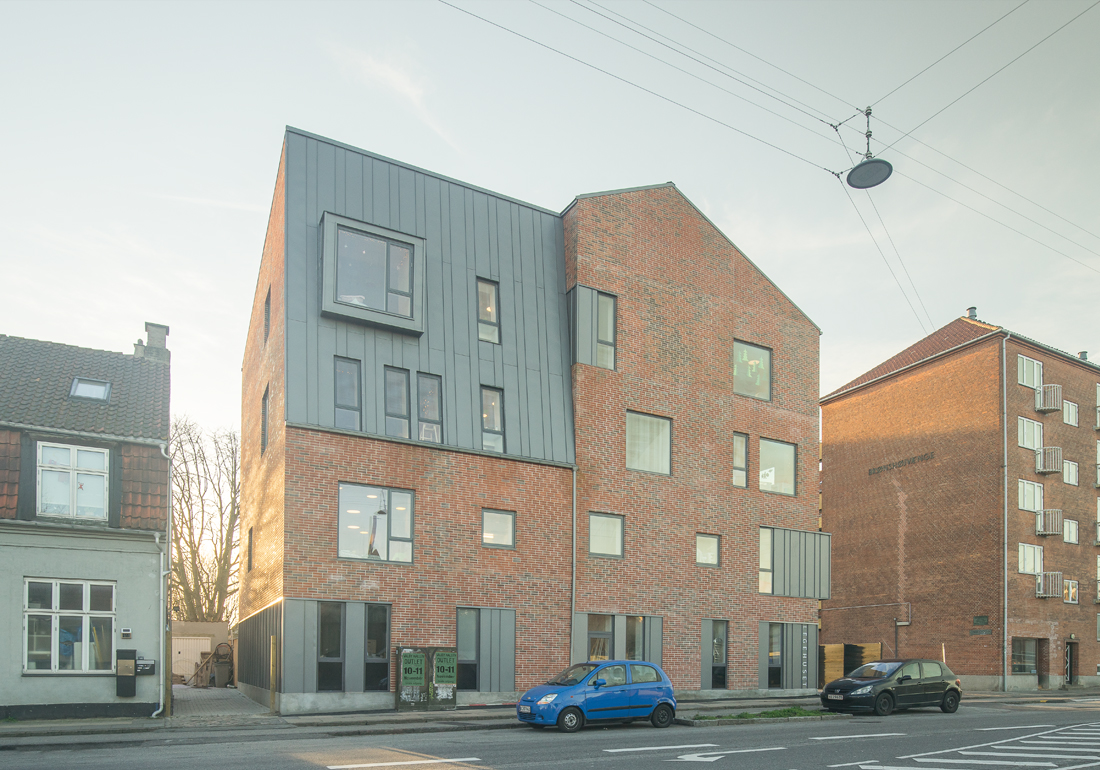
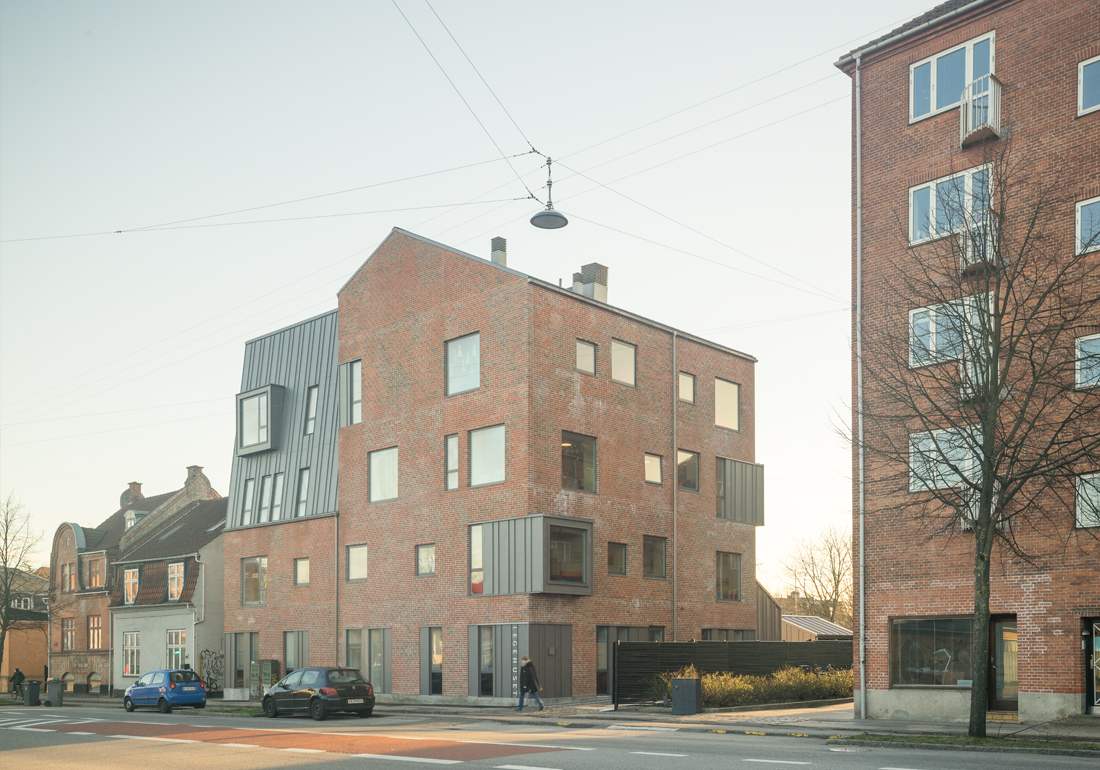
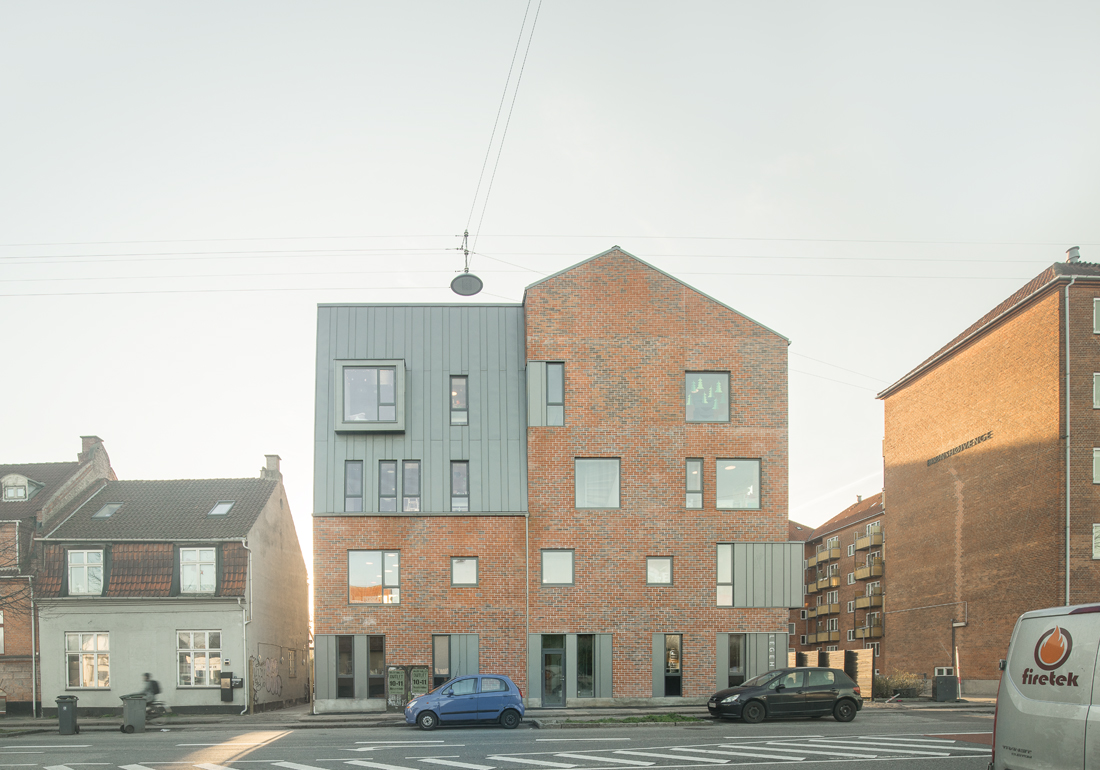
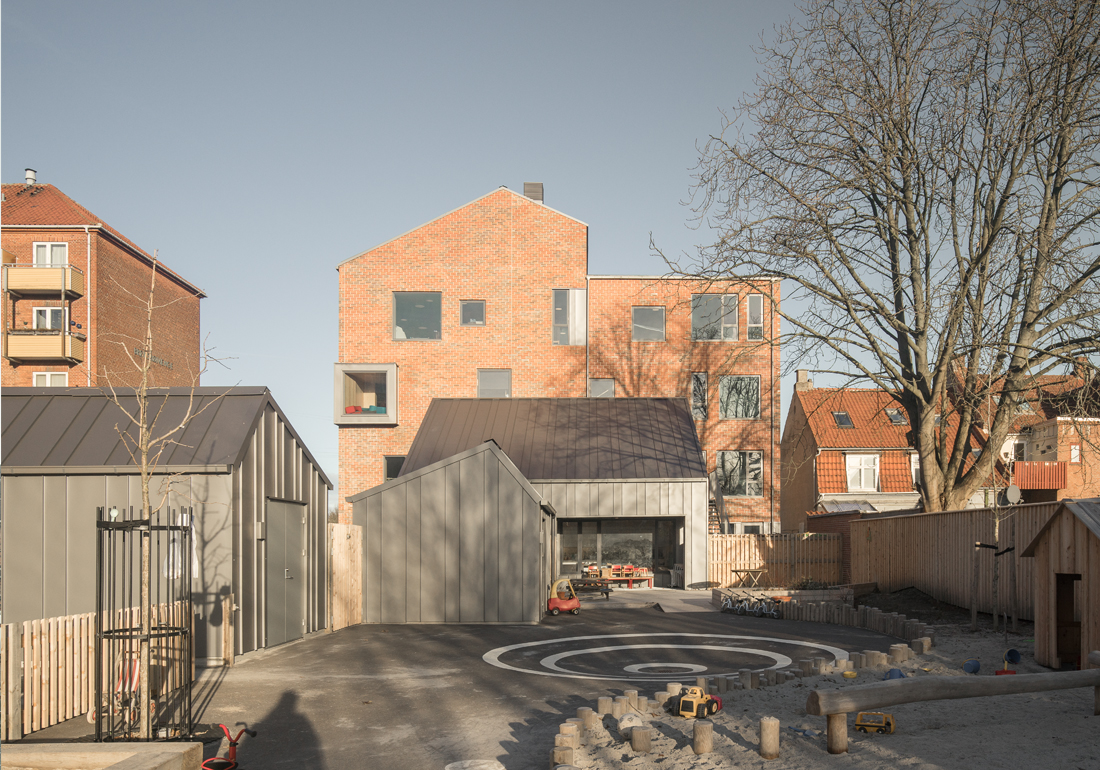
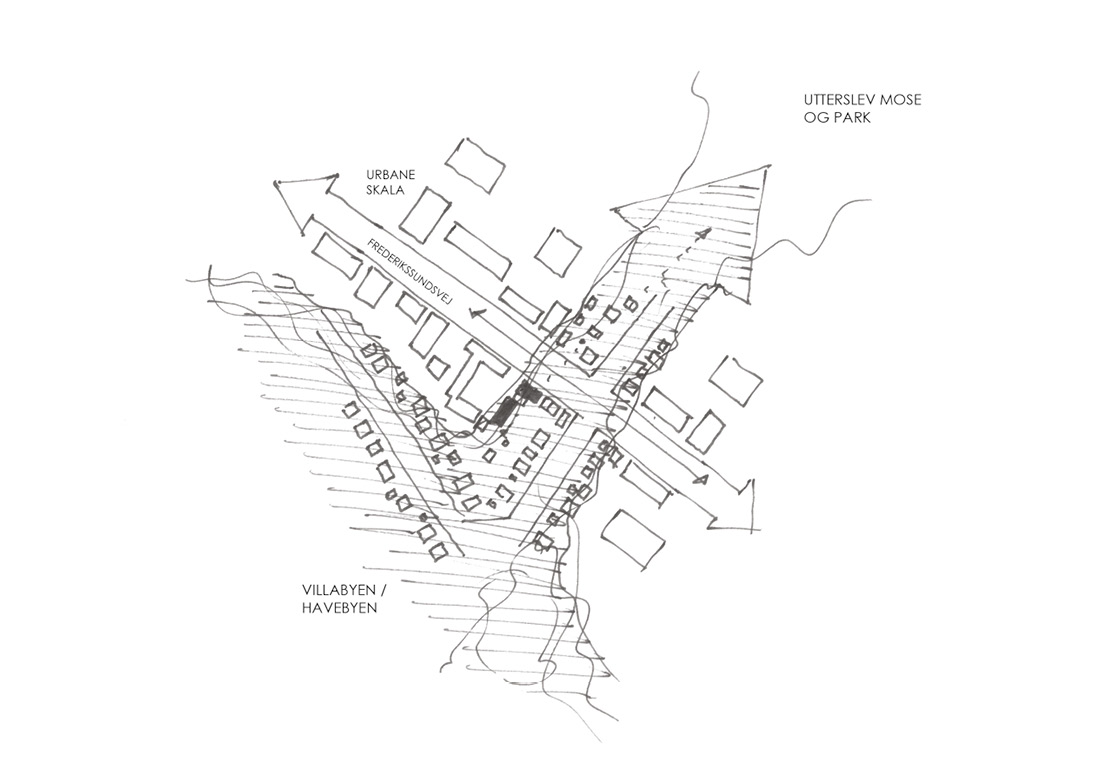
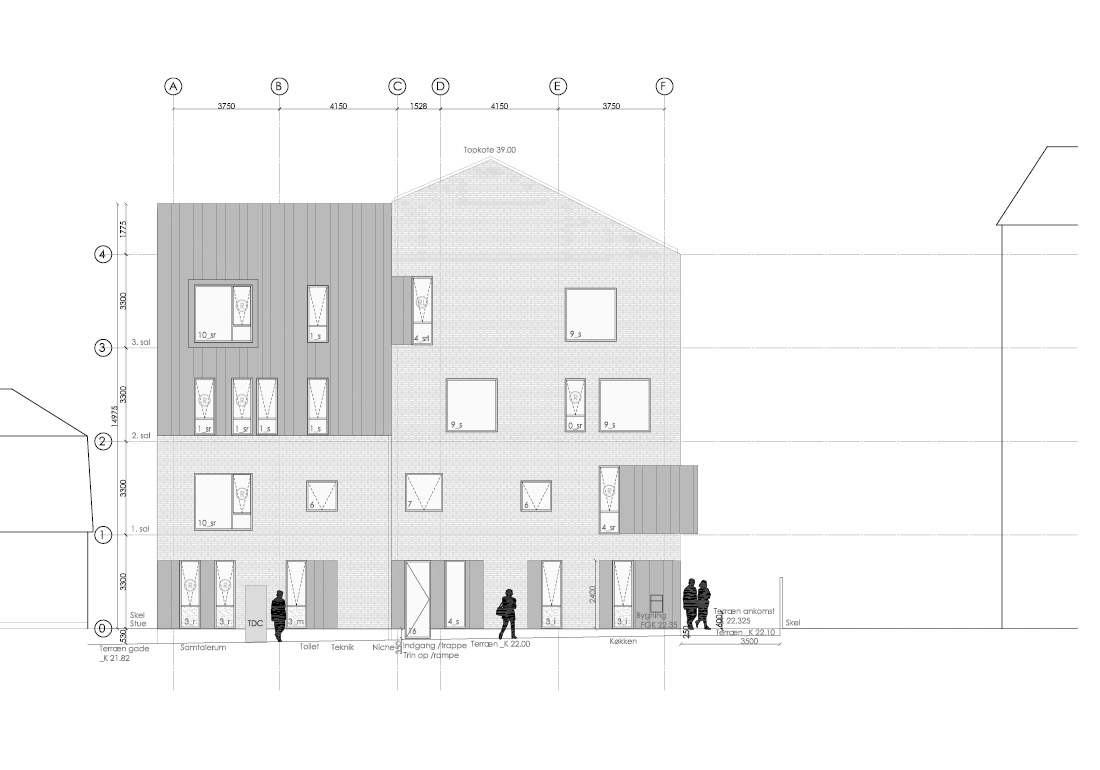
Ideen i bebyggelsen er at rumme stedets sammensathed og kompleksitet i skala, overgange, farver og overflader. Bygningen opbrydes i mindre enheder og tilpasser sig en stor boligblok fra 50erne og mindre villabebyggelser fra det tidlige 1900-tal. Som et muret hus i gaden med små baghuse og intime grønne have- og legearealer i baghaven står det med sin egen særlige figurative karakter og fører dialog med sine omgivelser.
Det arkitektoniske greb består i tilpasningen til omgivelsernes sammensatte og meget varierede skalatrin og bygningshøjder. Bygningen opdeles i tre bygningskroppe, som en lille sammensat struktur med forhuse, baghus, skure osv., der danner rumligheder, variation i bygning og haver, som man kender fra villakvarterne. En struktur, der skal danne en følelse af tryghed og hjemlighed i et område af arkitektonisk rodløshed.
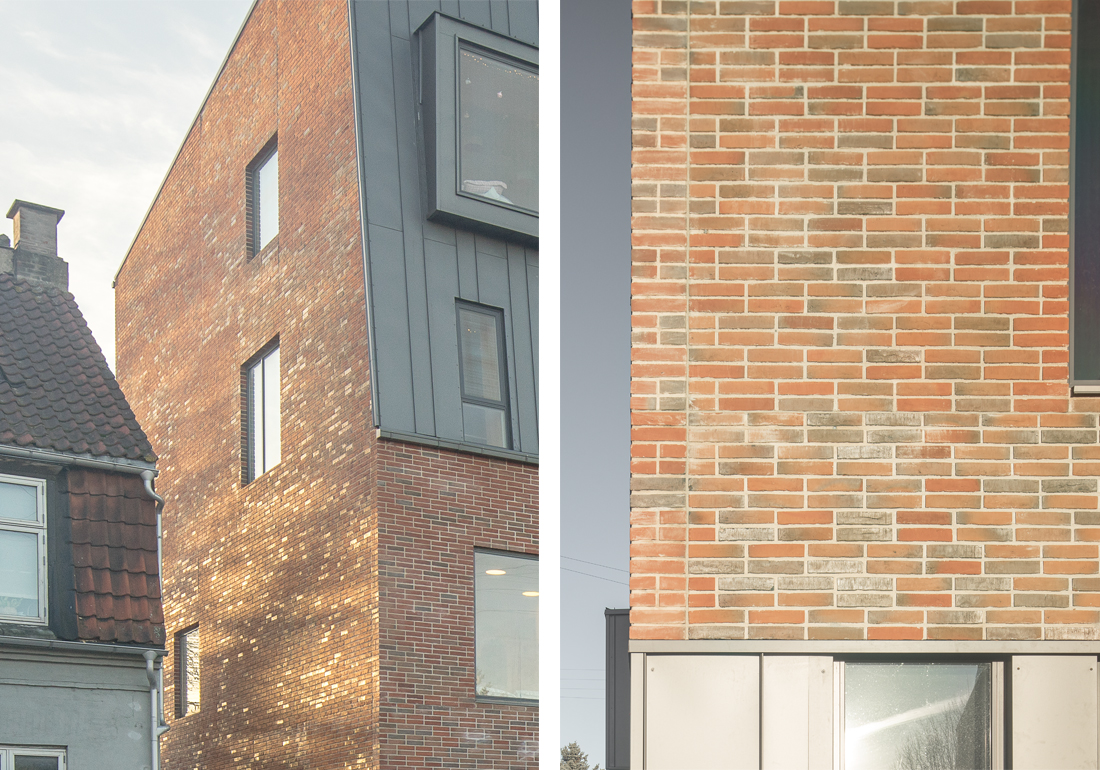
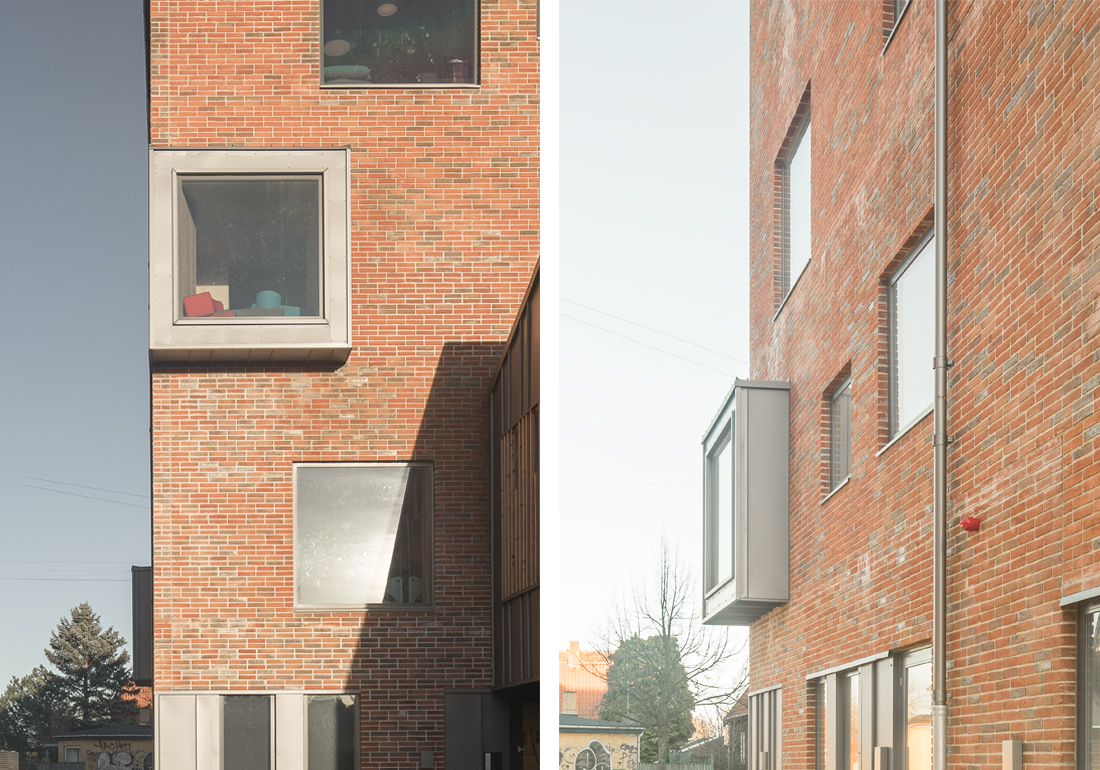
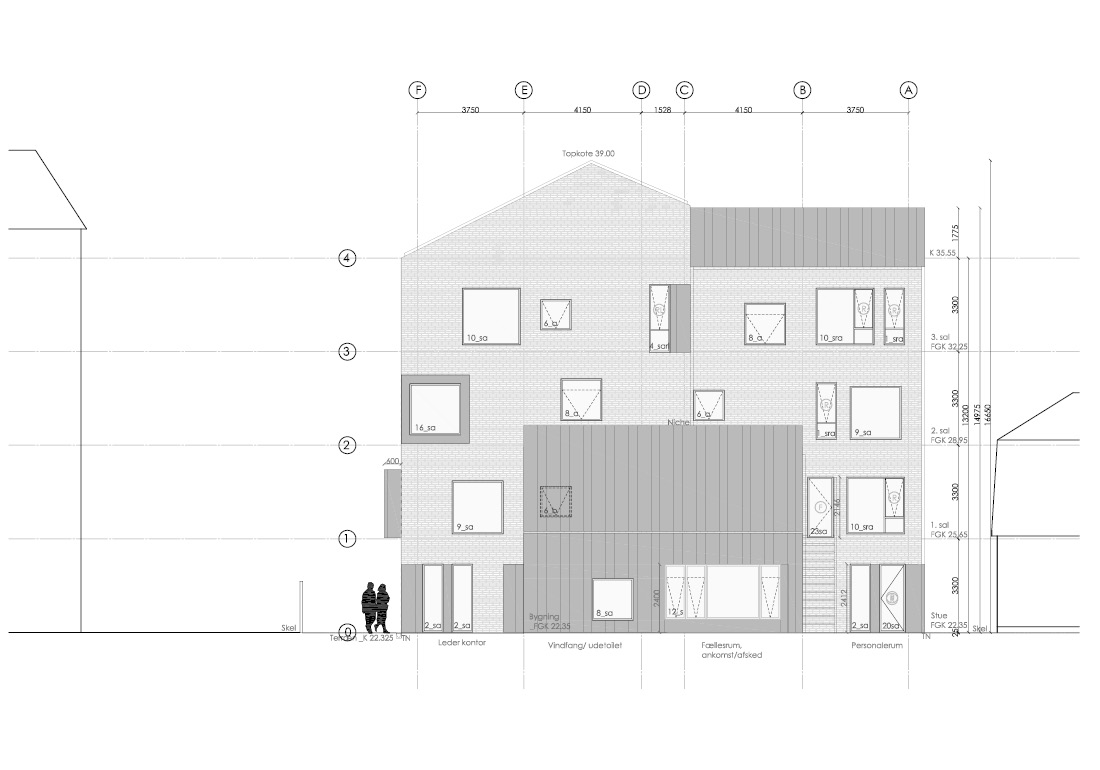
Mod villabyen trækkes tagfladen langt ned på facaden og knækkes indad for derved at tilpasse villabyens skala. Mod etageejendommen rejser bygningen sig med et gavlmotiv. Facaderne er i teglelementer med et specielt dobbeltforbandt, som en fortolkning af det traditionelle murforbandt, som udtrykker teglen som ikkebærende. Tagmaterialet og facadepartier med karnapper, baghus og skure udføres i stålplader.
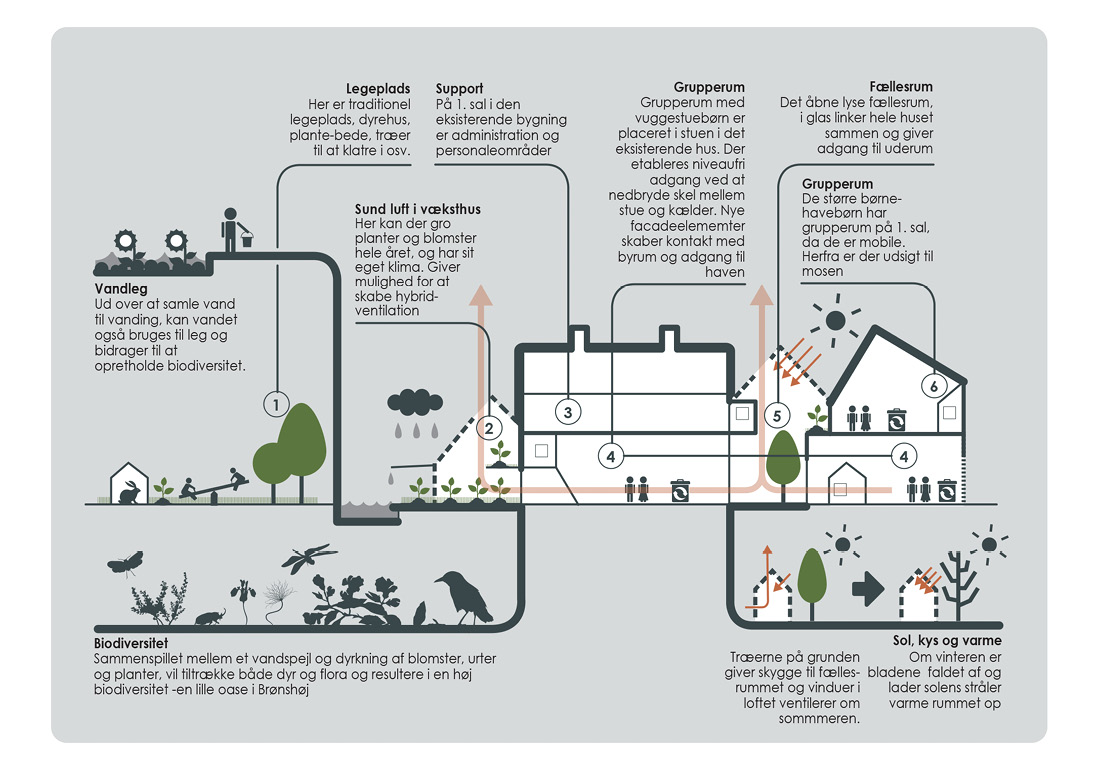
Bygningens bæredygtige profil fokuserer på robusthed ved at skabe en offentlig bygning, der kan genanvendes til flere forskellige formål. Offentlige institutioner har en gennemsnitlig funktionalitet på 15-20 år. Så overgår de til andre funktioner eller frasælges pga. ændret demografi, budgetmæssige beslutninger o. lign. Denne bygning er forberedt på dette og kan på enkel vis omdannes til boliger, erhverv, kollegie eller, hvad det offentlige velfærdssystem får behov for at tilbyde i en ukendt fremtid. Institutionen rummer 3 børnehavegrupper og 3 vuggestuegrupper.
Previous project Next project
Culture
Transformation
Public
Private
Planning